

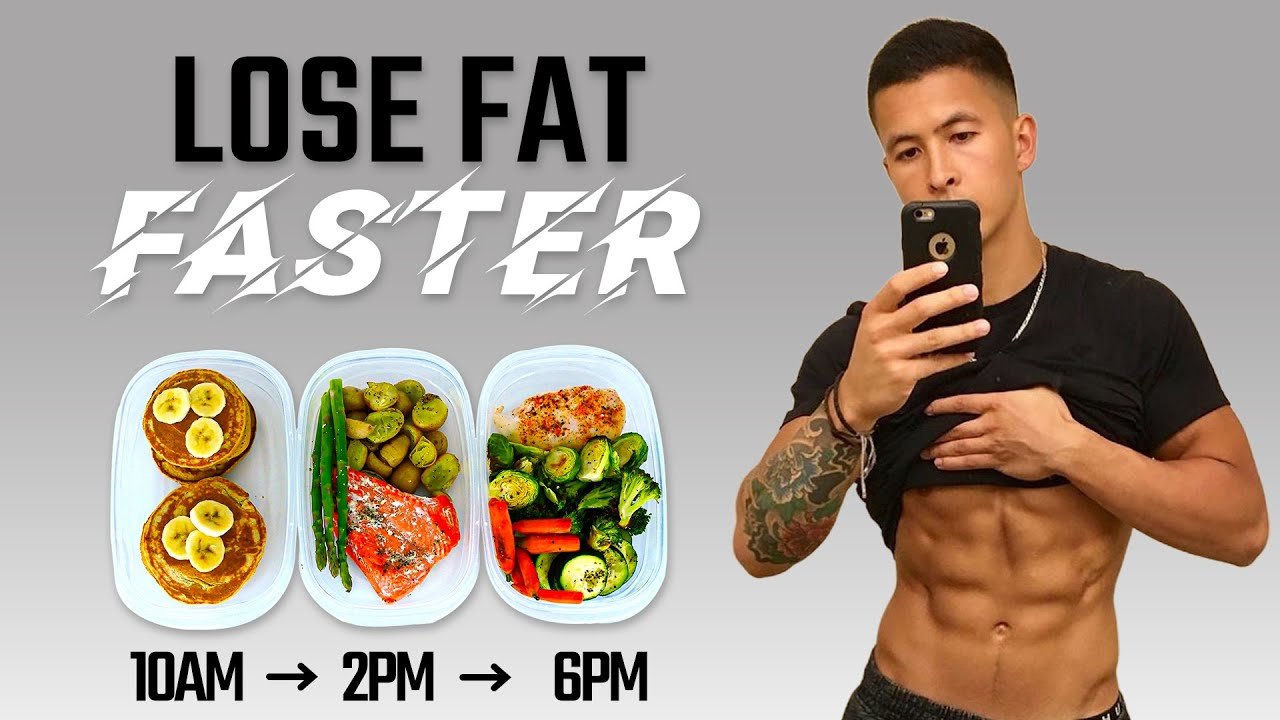
Fat loss is one of the most common health and fitness goals for people around the world. While exercise plays an important role, daily diet choices have an even greater impact on fat burning and overall body composition. Including the right fat-burning foods in your daily diet helps boost metabolism, control appetite, stabilize blood sugar levels, and improve energy throughout the day. Fat-burning foods do not magically melt fat, but they support the body’s natural ability to burn calories efficiently. This detailed guide explains the top fat-burning foods to include in your daily diet, how they work, and how consistent nutrition choices lead to sustainable weight loss and better health.
How Fat Burning Works in the Body
Fat burning occurs when the body uses stored fat as an energy source. This process depends on calorie balance, hormonal health, metabolism, and physical activity. When you consume nutrient-dense foods that support metabolic function, digestion, and muscle mass, the body becomes more efficient at using fat for energy. Foods rich in protein, fiber, healthy fats, and thermogenic compounds help increase calorie burn and reduce fat storage. Understanding this process helps you make smarter food choices.
Importance of Diet in Fat Loss
Diet quality matters more than extreme calorie restriction. Crash dieting slows metabolism and increases muscle loss, which negatively affects fat burning. A balanced diet with fat-burning foods helps maintain lean muscle mass, control hunger, and support long-term fat loss. Consistency and sustainability are more effective than short-term restrictive diets.
Protein-Rich Foods for Fat Burning
Protein is one of the most powerful nutrients for fat loss. It has a high thermic effect, meaning the body burns more calories digesting protein compared to fats and carbohydrates. Protein also increases satiety, reduces cravings, and preserves muscle mass during weight loss.
Eggs as a Metabolism Booster
Eggs are a complete protein source rich in essential amino acids. They support muscle maintenance and keep you full for longer periods, reducing unnecessary snacking. Including eggs in breakfast helps regulate appetite and supports fat burning throughout the day.
Lean Chicken Breast for Daily Fat Loss
Chicken breast is low in fat and high in protein, making it ideal for a fat-burning diet. It supports muscle growth and increases calorie expenditure through digestion. Regular consumption helps maintain lean body mass while reducing fat percentage.
Fish and Fatty Fish Benefits
Fish like salmon, tuna, and sardines provide high-quality protein and omega-3 fatty acids. Omega-3 fats reduce inflammation, improve insulin sensitivity, and support fat metabolism. Including fish in your daily diet promotes heart health while aiding fat loss.
Plant-Based Protein Sources
Legumes, lentils, beans, tofu, and tempeh are excellent plant-based protein sources. They are also rich in fiber, which slows digestion and keeps you full. These foods support fat burning while being suitable for vegetarian and vegan diets.
Fiber-Rich Foods That Support Fat Loss
Fiber plays a crucial role in appetite control and digestion. High-fiber foods slow down digestion, reduce blood sugar spikes, and promote a feeling of fullness, leading to reduced calorie intake.
Oats for Sustained Energy
Oats are rich in soluble fiber that helps control hunger and stabilize energy levels. They support gut health and prevent overeating. Including oats in breakfast supports fat burning by keeping cravings under control.
Fruits That Help Burn Fat
Fruits like apples, berries, grapefruit, and pears are low in calories and high in fiber and antioxidants. Grapefruit is known for improving insulin sensitivity, while berries help reduce inflammation and support metabolism.
Vegetables That Enhance Fat Burning
Leafy greens, broccoli, cauliflower, and bell peppers are nutrient-dense and low in calories. They add volume to meals without excess calories, helping you feel full while staying in a calorie deficit.
Healthy Fats That Promote Fat Loss
Contrary to popular belief, eating fat does not automatically cause fat gain. Healthy fats support hormone production, improve satiety, and help regulate appetite.
Nuts and Seeds in Moderation
Almonds, walnuts, chia seeds, and flaxseeds provide healthy fats, protein, and fiber. They help control hunger and support metabolic health when consumed in moderation.
Avocados for Appetite Control
Avocados are rich in monounsaturated fats and fiber. They slow digestion and keep you satisfied, reducing the likelihood of overeating later in the day.
Olive Oil for Metabolic Health
Extra virgin olive oil contains healthy fats and antioxidants that improve insulin sensitivity and support fat metabolism. Using olive oil instead of refined oils supports weight management.
Thermogenic Foods That Boost Metabolism
Thermogenic foods increase body heat and calorie expenditure during digestion. Including these foods supports fat burning naturally.
Green Tea for Fat Oxidation
Green tea contains catechins and caffeine that enhance fat oxidation and metabolism. Regular consumption supports weight loss and overall health.
Chili Peppers and Spicy Foods
Capsaicin in chili peppers increases calorie burn and reduces appetite. Adding moderate spice to meals supports metabolism and fat loss.
Ginger for Digestive Support
Ginger improves digestion, reduces inflammation, and supports thermogenesis. Including ginger in meals or drinks supports fat-burning processes.
Hydration and Fat Burning Foods
Water plays a vital role in metabolism and appetite control. Drinking enough water improves digestion and reduces false hunger signals. Combining hydration with fat-burning foods enhances results.
Low-Glycemic Carbohydrates for Fat Loss
Choosing low-glycemic carbohydrates helps control blood sugar and insulin levels. Stable insulin levels promote fat burning rather than fat storage.
Brown Rice and Whole Grains
Whole grains like brown rice, quinoa, and whole wheat provide fiber and sustained energy. They prevent energy crashes and support active lifestyles.
Sweet Potatoes for Balanced Nutrition
Sweet potatoes provide complex carbohydrates, fiber, and vitamins. They support workouts while preventing overeating.
Daily Meal Planning With Fat-Burning Foods
Including fat-burning foods in every meal ensures balanced nutrition and consistent energy. A typical day may include protein-rich breakfast, fiber-rich lunch, healthy snacks, and balanced dinner.
Common Mistakes That Slow Fat Loss
Skipping meals, relying on processed foods, and excessive sugar intake can slow metabolism. Avoiding protein and fiber leads to overeating. Consistency and quality food choices are key.
Fat-Burning Foods and Exercise Synergy
Combining proper nutrition with strength training and cardiovascular exercise enhances fat loss. Protein supports muscle, while fiber and healthy fats support recovery and energy.
Long-Term Benefits of Including Fat-Burning Foods
A diet rich in fat-burning foods improves body composition, metabolic health, digestion, and energy levels. It also reduces the risk of lifestyle diseases and supports sustainable weight management.
Conclusion
Including top fat-burning foods in your daily diet is one of the most effective and sustainable ways to support weight loss and overall health. Protein-rich foods, fiber-dense fruits and vegetables, healthy fats, and thermogenic ingredients work together to boost metabolism, control appetite, and improve energy levels. When combined with regular physical activity and proper hydration, these foods help the body burn fat naturally and efficiently. Consistency, balance, and mindful eating transform fat loss from a short-term goal into a healthy lifestyle.