

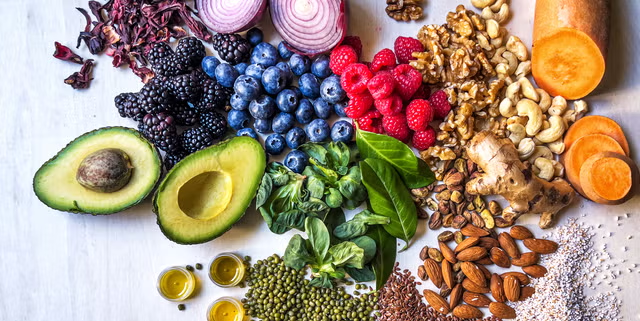
In the world of fitness, weight loss, and healthy living, the term fat-burning foods is everywhere. Social media posts, fitness blogs, diet plans, and advertisements constantly promote certain foods as magical solutions that can melt fat without effort. Many people believe that simply adding a few special foods to their diet will automatically lead to rapid weight loss, even without changing overall eating habits or lifestyle. This belief has created countless myths about fat-burning foods, leading to confusion, unrealistic expectations, and frustration.
The reality is that fat loss is a complex process influenced by calorie balance, metabolism, physical activity, sleep, stress, and overall diet quality. No single food can burn fat on its own. However, some foods can support fat loss by improving metabolism, controlling appetite, preserving muscle mass, and supporting overall health. This blog explains common myths about fat-burning foods, separates facts from fiction, and provides a clear, science-based understanding of how food actually supports fat loss.
Understanding How Fat Loss Really Works
Before breaking down the myths, it is important to understand how fat loss actually happens. Fat loss occurs when the body is in a calorie deficit, meaning it burns more calories than it consumes over time. The body then uses stored fat as an energy source. This process is influenced by metabolism, physical activity, muscle mass, hormones, and diet quality.
Fat-burning foods do not directly burn fat like fuel in a fire. Instead, they may help increase satiety, stabilize blood sugar, improve digestion, reduce inflammation, or slightly increase calorie burn through thermogenesis. Understanding this foundation helps clarify why many popular claims about fat-burning foods are exaggerated or misleading.
Myth One Fat-Burning Foods Can Melt Fat Without Exercise
One of the most common myths about fat-burning foods is that you can lose fat simply by eating certain foods, without exercising or controlling portion sizes. Many people believe that adding foods like lemon water, green tea, or chili peppers to their diet will automatically lead to fat loss.
In reality, no food can override excess calorie intake or a sedentary lifestyle. While some foods may slightly increase metabolism or reduce appetite, their effect is small compared to overall calorie balance. Exercise plays a crucial role in fat loss by increasing calorie burn, preserving muscle mass, and improving metabolic health. Fat-burning foods can support weight loss, but they cannot replace regular physical activity.
Myth Two Eating Fat-Burning Foods Means You Can Eat Unlimited Calories
Another widespread myth is that fat-burning foods allow you to eat unlimited amounts without gaining weight. Foods like avocados, nuts, olive oil, and peanut butter are often labeled as fat-burning or healthy fats, leading people to overconsume them.
While these foods are nutritious and beneficial for health, they are also calorie-dense. Eating large portions can easily lead to excess calorie intake, slowing or stopping fat loss. Fat-burning foods still contribute calories, and portion control remains essential. Healthy foods support fat loss when eaten in appropriate amounts as part of a balanced diet.
Myth Three Spicy Foods Burn Large Amounts of Fat
Spicy foods, especially those containing chili peppers and capsaicin, are often promoted as powerful fat-burning foods. The myth suggests that eating spicy food significantly boosts metabolism and leads to rapid fat loss.
Capsaicin does increase thermogenesis slightly, meaning the body burns a few extra calories while digesting spicy food. However, the effect is very small and does not result in dramatic fat loss. Spicy foods may help control appetite and reduce overeating for some people, but they are not a magic solution. Relying solely on spicy foods without addressing overall diet and activity will not lead to meaningful fat loss.
Myth Four Lemon Water Burns Belly Fat
Lemon water is frequently marketed as a detox drink that burns belly fat, cleanses the body, and boosts metabolism. Many people start their day with lemon water believing it directly targets fat loss.
The truth is that lemon water does not burn fat. Lemons contain vitamin C and antioxidants, which support general health, and drinking water in the morning can improve hydration and reduce appetite. However, belly fat reduction depends on overall fat loss, which cannot be targeted by specific foods or drinks. Lemon water can be a healthy habit, but it does not have special fat-burning powers.
Myth Five Fat-Burning Foods Target Specific Body Areas
One of the most misleading myths is that certain foods can target fat loss in specific areas such as the belly, thighs, hips, or arms. Claims like belly fat-burning foods or thigh fat-reducing diets are extremely popular.
Spot fat reduction through food is not possible. The body loses fat based on genetics, hormones, and overall fat levels, not based on the type of food consumed. While a healthy diet helps reduce overall body fat, no food can selectively burn fat from a specific area. Understanding this helps set realistic expectations and prevents disappointment.
Myth Six Green Tea Alone Causes Significant Fat Loss
Green tea is often promoted as one of the best fat-burning foods due to its caffeine and antioxidant content. Many people believe that drinking green tea alone can lead to noticeable fat loss without other lifestyle changes.
Green tea may slightly increase metabolism and improve fat oxidation, especially when combined with exercise. However, its effect is modest. Drinking green tea while continuing poor eating habits will not result in significant weight loss. Green tea is best seen as a supportive addition to a healthy diet and active lifestyle, not a standalone fat-loss solution.
Myth Seven Skipping Meals and Eating Fat-Burning Foods Speeds Up Weight Loss
Some people believe that skipping meals while eating fat-burning foods accelerates weight loss. This myth leads to unhealthy eating patterns and nutrient deficiencies.
Skipping meals often results in low energy, muscle loss, slowed metabolism, and overeating later in the day. Fat loss is more sustainable when meals are balanced, regular, and nutrient-dense. Fat-burning foods work best when included in a consistent meal plan that supports energy needs and recovery.
Myth Eight Protein Foods Burn Fat Directly
Protein-rich foods like eggs, chicken, fish, and legumes are often labeled as fat-burning foods. This leads to the belief that protein directly burns fat.
Protein does not burn fat directly, but it plays a crucial role in fat loss. It increases satiety, reduces hunger, preserves muscle mass, and has a higher thermic effect compared to carbohydrates and fats. This means the body burns slightly more calories digesting protein. Protein supports fat loss indirectly by improving calorie control and metabolic health, not by directly burning fat.
Myth Nine Detox Foods Remove Fat from the Body
Detox foods and cleanses are commonly promoted as fat-burning solutions. Many people believe that detox drinks, juices, or special foods remove fat and toxins from the body.
The body already has an effective detox system through the liver, kidneys, lungs, and digestive system. Detox foods do not remove fat directly. Extreme detox diets often lead to water loss rather than fat loss and can cause nutrient deficiencies. Sustainable fat loss requires balanced nutrition, not detox shortcuts.
Myth Ten Eating Fruits Prevents Fat Loss Due to Sugar
Some people believe that fruits should be avoided because they contain sugar and prevent fat loss. This myth causes people to remove healthy foods unnecessarily.
Fruits contain natural sugars along with fiber, vitamins, minerals, and antioxidants. Fiber slows sugar absorption, supports digestion, and improves satiety. Fruits can be part of a fat-loss diet when eaten in reasonable portions. Avoiding fruits entirely can reduce nutrient intake and make diets harder to maintain.
Myth Eleven Fat-Burning Foods Work the Same for Everyone
Another common myth is that fat-burning foods have the same effect on everyone. In reality, metabolism, hormones, genetics, activity level, and gut health influence how the body responds to food.
A food that helps one person control appetite may not work the same way for another. This is why personalized nutrition and listening to your body are important. Fat loss strategies should be flexible and adaptable rather than rigid and universal.
The Real Role of So-Called Fat-Burning Foods
Fat-burning foods are better understood as metabolism-supporting or appetite-controlling foods. Foods high in protein, fiber, and healthy fats help regulate hunger hormones, stabilize blood sugar, and prevent overeating. Whole foods such as vegetables, fruits, lean proteins, whole grains, nuts, and seeds support overall health and make it easier to maintain a calorie deficit.
These foods improve diet quality, support workouts, and promote long-term consistency. Their role is supportive, not magical.
Foods That Support Fat Loss in a Healthy Way
Certain foods can support fat loss when included in a balanced diet. Protein-rich foods help preserve muscle and increase satiety. Fiber-rich foods like vegetables, fruits, and whole grains improve digestion and reduce hunger. Healthy fats support hormone balance and prevent cravings. Spices and caffeine-containing foods may slightly increase calorie burn.
The key is balance, variety, and consistency rather than focusing on a short list of fat-burning foods.
Importance of Lifestyle Along with Nutrition
Fat loss depends on more than just food choices. Physical activity increases calorie burn and improves metabolic health. Strength training helps preserve muscle mass, which supports long-term fat loss. Sleep regulates hunger hormones, while stress management prevents emotional eating.
Fat-burning foods cannot compensate for lack of sleep, high stress, or inactivity. A healthy lifestyle amplifies the benefits of good nutrition.
Keywords Related to Fat-Burning Food Myths
Common myths about fat-burning foods explained often include keywords such as fat-burning foods, weight loss myths, belly fat foods, metabolism boosting foods, detox diet myths, green tea weight loss, lemon water fat loss, protein and fat burning, healthy weight loss, calorie deficit, and sustainable fat loss. Understanding these keywords helps people identify misleading claims and make informed choices.
How to Build a Realistic Fat Loss Diet
A realistic fat loss diet focuses on whole foods, balanced meals, portion control, and consistency. Instead of chasing trends, it emphasizes habits that can be maintained long-term. Including foods you enjoy improves adherence and mental well-being.
Fat loss is a gradual process. Quick fixes often lead to short-term results and long-term frustration. Building a healthy relationship with food is more effective than following restrictive rules.
Long-Term Approach to Fat Loss and Health
Long-term fat loss success comes from sustainable habits rather than extreme measures. Understanding common myths about fat-burning foods helps avoid false promises and unrealistic expectations. When people stop searching for magic foods and focus on overall lifestyle, results become more predictable and lasting.
Healthy eating supports energy, mood, strength, and confidence, not just appearance. Fat loss should improve quality of life, not create stress or obsession.
Conclusion
Common myths about fat-burning foods often oversimplify a complex process. No food can magically burn fat, target specific areas, or replace the need for balanced nutrition and physical activity. Fat-burning foods support weight loss by helping control appetite, preserve muscle, and improve metabolism, but they work only as part of a complete lifestyle approach.
Understanding the truth behind these myths empowers people to make smarter choices, avoid disappointment, and focus on what really works. Sustainable fat loss comes from consistent habits, realistic expectations, and a balanced approach to food, exercise, rest, and mental health. When knowledge replaces myths, the journey to fat loss becomes healthier, easier, and far more effective.