

The Fundamental Connection Between Protein and Muscle
The relationship between dietary protein and muscle growth represents one of the most well-established principles in all of nutrition science, grounded in the basic understanding that muscles are built from amino acids, the molecular compounds that form the building blocks of protein. Every time you engage in resistance training, whether lifting weights, performing bodyweight exercises, or engaging in sports that demand muscular effort, you create microscopic damage to muscle fibers that must be repaired and rebuilt. This process of repair, when supported by adequate protein intake and sufficient energy availability, leads to muscle hypertrophy, the increase in muscle size that so many athletes and fitness enthusiasts pursue. The body maintains a constant cycle of muscle protein synthesis and muscle protein breakdown, with net muscle growth occurring only when synthesis exceeds breakdown over time. Consuming protein provides the amino acids necessary for this synthesis, while also triggering hormonal and cellular signals that promote the building process. Understanding this fundamental relationship explains why protein intake must be prioritized in any serious muscle-building nutrition plan, and why the timing, distribution, and quality of protein consumption matter nearly as much as the total daily amount. This guide provides a comprehensive framework for structuring a high-protein diet specifically designed to support muscle growth, including practical meal plans, food recommendations, and the science-based rationale behind each recommendation.
Determining Your Optimal Protein Intake
Before constructing any meal plan, establishing the appropriate amount of protein for your individual circumstances provides the foundation upon which all other decisions rest. Research has consistently demonstrated that individuals engaged in regular resistance training require significantly more protein than sedentary people, with current sports nutrition guidelines recommending between 1.6 and 2.2 grams of protein per kilogram of body weight daily for those seeking to maximize muscle growth. For a person weighing seventy-five kilograms, or approximately one hundred sixty-five pounds, this translates to one hundred twenty to one hundred sixty-five grams of protein spread across the day. Athletes in intense training, those in calorie deficits while trying to preserve muscle, and individuals new to resistance training may benefit from intakes at the higher end of this range. Body composition goals also influence optimal intake, with those carrying more body fat calculating protein needs based on estimated lean mass rather than total weight to avoid excessive recommendations. Importantly, research suggests diminishing returns beyond approximately 2.2 grams per kilogram, with excess protein simply being oxidized for energy or converted to carbohydrate rather than contributing additional muscle growth. Spreading this protein across three to six meals throughout the day optimizes muscle protein synthesis, as each meal provides a new stimulus for the building process. The practical implication is that a well-structured muscle-building diet includes protein at every eating occasion, rather than concentrating intake in a single large dinner.
The Importance of Protein Quality and Complete Amino Acid Profiles
Not all protein sources contribute equally to muscle growth, with the concept of protein quality reflecting how well a particular food provides the essential amino acids needed for human protein synthesis. Animal-based proteins including meat, poultry, fish, eggs, and dairy are considered complete proteins because they contain all nine essential amino acids in proportions that closely match human requirements. Whey protein, derived from milk, has earned particular attention in sports nutrition due to its rapid digestion and high leucine content, the amino acid most directly responsible for stimulating muscle protein synthesis. Casein, the other major milk protein, digests slowly and provides sustained amino acid release, making it valuable before sleep or between meals. Plant-based proteins including legumes, grains, nuts, and seeds are typically incomplete in one or more essential amino acids, though this limitation can be overcome through strategic combining and by consuming adequate total protein from varied sources. Soy protein stands out among plant options as a complete protein with research supporting its effectiveness for muscle growth comparable to animal sources. For those following vegetarian or vegan diets, paying attention to protein quality becomes more important, with combinations like rice and beans, hummus and whole grain pita, or peanut butter on whole wheat bread providing complementary amino acid profiles. The practical reality for most people is that a mix of high-quality protein sources throughout the day, whether from animals, plants, or both, ensures adequate amino acid availability for muscle building.
Timing Protein Intake Around Training
The strategic timing of protein consumption relative to exercise sessions has received extensive research attention, with current evidence supporting the value of protein intake both before and after training for optimal muscle growth. The post-workout period, often called the anabolic window, represents a time when muscles are particularly sensitive to amino acid uptake and protein synthesis is elevated. Consuming twenty to forty grams of high-quality protein within two hours after training provides the raw materials and signals for repair and growth during this sensitive period. Pre-workout protein intake also offers benefits, providing amino acids during exercise and potentially reducing muscle damage during training sessions. The total daily protein intake matters more than precise timing, but strategically placing protein around workouts ensures that muscles have access to amino acids when they need them most. For those training multiple times daily or in a fasted state, pre-workout protein becomes even more important to provide energy and prevent excessive muscle breakdown. The practical application involves planning meals and snacks so that a protein source accompanies both the pre-workout and post-workout periods, whether through whole foods or supplemental options when convenience demands.
Breakfast: Setting the Stage for Daily Protein Goals
The first meal of the day presents both an opportunity and a challenge for those pursuing muscle growth, as traditional breakfast options often emphasize carbohydrates while providing minimal protein. Overcoming this pattern requires intentional choices that deliver twenty to forty grams of protein at breakfast, establishing a strong foundation for daily intake. Eggs offer perhaps the most versatile high-protein breakfast option, with three large eggs providing eighteen grams of complete protein that can be prepared in countless ways. Adding egg whites increases protein content significantly while adding minimal calories, with a three-egg omelet plus additional egg whites delivering thirty grams of protein or more. Greek yogurt deserves its reputation as a protein powerhouse, with a single cup providing fifteen to twenty grams of protein depending on brand and style. Choosing plain Greek yogurt and adding berries and a scoop of protein powder creates a breakfast bowl with forty grams of protein and minimal added sugar. Protein smoothies offer infinite variety while delivering substantial protein through combinations of milk or milk alternatives, protein powder, Greek yogurt, nut butters, and even silken tofu. A well-constructed smoothie can provide forty to fifty grams of protein that can be consumed quickly on rushed mornings. Cottage cheese with fruit or vegetables provides about fourteen grams of protein per half-cup, with the option to increase protein further by mixing in protein powder or serving with eggs. For those who prefer traditional breakfast meats, turkey bacon and chicken sausage offer leaner alternatives to pork while still contributing to protein totals. The key across all breakfast options is aiming for at least thirty grams of protein, which research suggests provides sufficient leucine to maximally stimulate muscle protein synthesis.
Lunch: Sustaining Momentum Through the Day
Midday meals must sustain energy for afternoon activities while continuing the pattern of adequate protein distribution established at breakfast. Grilled chicken breast, perhaps the most classic muscle-building food, provides about thirty-five grams of protein in a four-ounce serving and can be prepared in advance for easy weeknight lunches. Serving chicken over a bed of greens with varied vegetables and a vinaigrette dressing creates a satisfying salad that delivers protein along with micronutrients and fiber. Canned tuna and salmon offer convenient protein with the added benefit of omega-3 fatty acids that support overall health and may enhance recovery. A standard five-ounce can provides about twenty-five grams of protein that requires only mixing with Greek yogurt or mayonnaise for a quick sandwich or salad topping. Lean beef, whether in sandwich form, as a salad topping, or in lettuce wraps, provides about thirty grams of protein per four ounces along with iron and zinc that support energy and immune function. Turkey and other deli meats, when chosen from quality sources without excessive additives, create quick sandwiches that contribute protein when served on whole grain bread with plenty of vegetables. For vegetarian options, tofu or tempeh based salads, bean and grain bowls, and lentil soups provide plant-based protein that sustains energy through the afternoon. The portion size at lunch should aim for thirty to forty grams of protein, consistent with the distribution that research suggests optimizes daily muscle protein synthesis.
Dinner: The Foundation of Overnight Recovery
The evening meal provides the protein that will support muscle repair and growth during overnight recovery, making dinner choices particularly important for those serious about building muscle. Salmon and other fatty fish deliver about thirty-five grams of protein per six-ounce serving while providing omega-3 fatty acids that may enhance the muscle-building response to training and reduce exercise-induced inflammation. Lean red meat, including sirloin steak, flank steak, and lean ground beef, provides about forty grams of protein per six ounces along with creatine, which supports strength and power performance. Chicken and turkey remain reliable options, with six ounces providing about forty grams of protein that can be prepared with endless variety through different marinades and seasoning approaches. Pork tenderloin, often overlooked, provides similarly lean protein with about thirty-five grams per six ounces and a mild flavor that takes well to diverse culinary treatments. For those preferring plant-based dinners, combinations of tofu or tempeh with legumes and whole grains create complete protein profiles that support muscle growth. A dinner of baked tofu with quinoa and roasted vegetables provides about thirty-five grams of protein when portioned appropriately. The dinner meal should aim for forty to fifty grams of protein, providing the amino acids needed for overnight repair while leaving room for vegetables and complex carbohydrates that support overall nutrition and recovery.
Strategic Snacking for Additional Protein
Between-meal snacks provide opportunities to increase total daily protein intake while preventing the excessive hunger that can lead to poor food choices at meals. Greek yogurt in single-serving containers delivers about fifteen grams of portable protein that requires no preparation and fits easily into busy schedules. Hard-boiled eggs, prepared in batches at the beginning of the week, provide six grams of protein each in a form that travels anywhere and satisfies between meals. Protein bars vary enormously in quality, with the best options containing simple ingredients and at least fifteen grams of protein without excessive added sugar. Reading labels carefully distinguishes genuine protein snacks from glorified candy bars. Cottage cheese in single-serving containers provides about fourteen grams of protein per half-cup and pairs well with fruit or vegetables for added nutrition. Beef or turkey jerky, when chosen from quality sources, provides concentrated protein in shelf-stable form, with an ounce delivering about nine grams of protein. Edamame, either fresh or frozen and quickly microwaved, provides about eight grams of protein per half-cup while delivering fiber and phytonutrients. Protein shakes offer convenience when whole food options aren’t available, with a scoop of quality protein powder mixed with water or milk providing twenty to twenty-five grams of protein in seconds. The key with snacks is to treat them as intentional contributions to daily protein totals rather than mindless eating, with each snack providing at least ten to fifteen grams of protein.
Sample Meal Plan: A Day of Muscle-Building Nutrition
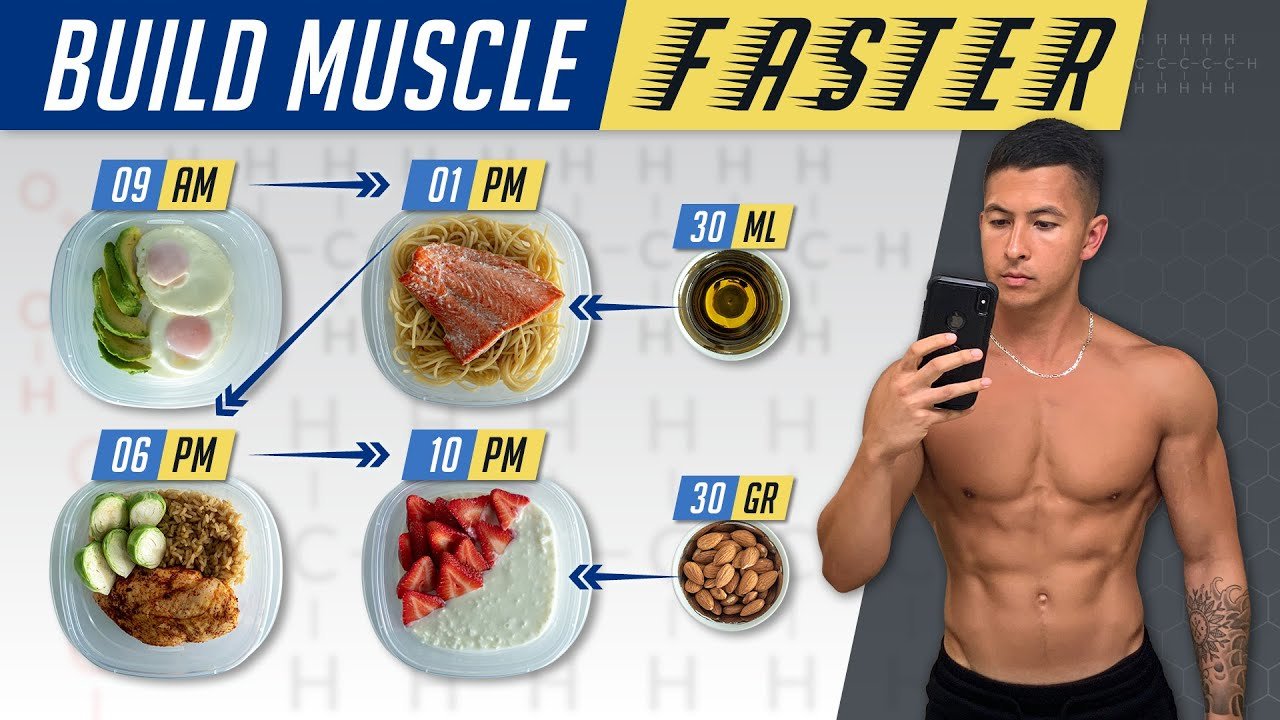
Translating principles into practice, a well-structured day of eating for muscle growth might look something like the following sample plan. Breakfast could include three scrambled eggs with spinach and one cup of Greek yogurt topped with berries, providing approximately forty-five grams of protein. A mid-morning snack of a protein shake with one scoop of whey protein and water adds twenty-five grams, bringing the morning total to seventy grams. Lunch might feature six ounces of grilled chicken breast over a large salad with mixed vegetables and a vinaigrette dressing, providing about forty grams of protein. An afternoon snack of two hard-boiled eggs and an apple adds twelve grams, bringing the total to one hundred twenty-two grams by late afternoon. Pre-workout nutrition could include a banana with peanut butter for energy, while post-workout recovery might feature another protein shake providing twenty-five grams of protein. Dinner of six ounces of salmon with roasted sweet potatoes and steamed broccoli provides about thirty-five grams of protein, bringing the daily total to approximately one hundred eighty grams. This distribution, with protein at every meal and snack, provides approximately 2.0 grams per kilogram for a ninety-kilogram individual, falling within the recommended range for muscle growth while allowing flexibility for individual adjustment.
Supplementing Wisely: When and How to Use Protein Powders
Protein supplements can play a valuable role in a muscle-building nutrition plan, particularly for athletes with high protein requirements, busy schedules, or difficulty meeting needs through whole foods alone. Whey protein, derived from milk, digests quickly and provides high leucine content, making it particularly valuable around workouts when rapid amino acid delivery may be beneficial. Casein protein, also milk-derived, digests slowly and provides sustained amino acid release, making it ideal before sleep or between long gaps between meals. Plant-based protein powders, typically blends of pea, rice, and sometimes other plant proteins, provide options for those avoiding animal products and can be formulated to provide complete amino acid profiles. The quality of protein supplements varies considerably, with reputable brands undergoing third-party testing to ensure they contain what their labels claim without contaminants. Whole foods should always form the foundation of protein intake, with supplements used strategically to fill gaps rather than as primary sources. A typical approach might include a post-workout shake for rapid amino acid delivery and perhaps a casein shake before bed for sustained overnight recovery, while obtaining the majority of daily protein from whole food sources. Understanding that supplements are exactly what their name implies, supplemental to a foundation of whole food nutrition, prevents over-reliance on processed products while still benefiting from their convenience when needed.
Hydration and Its Role in Protein Utilization
The relationship between hydration and protein metabolism is often overlooked but critically important, as adequate water intake is necessary for all metabolic processes including protein synthesis and nitrogen excretion. When protein intake increases, nitrogen waste products also increase, requiring adequate water for kidney function and waste elimination. General hydration guidelines suggest approximately three to four liters of fluid daily for active individuals, with adjustments based on sweat rate, climate, and training intensity. Water should form the foundation of hydration, with milk and other beverages contributing to total intake while potentially providing additional protein and nutrients. Monitoring hydration through urine color, aiming for pale yellow throughout the day, provides practical guidance that doesn’t require complex calculations. Dehydration impairs exercise performance and may reduce the muscle-building response to training, making consistent hydration an essential component of any serious nutrition plan. Electrolyte balance becomes particularly important for those training intensely or in hot environments, with sodium, potassium, and magnesium supporting muscle function and recovery.
Adjusting Protein Intake Based on Training Cycles
Protein needs are not static but fluctuate with training demands, making periodized nutrition an advanced strategy for optimizing muscle growth across different phases of training. During periods of intense training with high volume and frequency, protein requirements increase to support repair of increased muscle damage and to provide amino acids for adaptation. During maintenance phases or periods of reduced training, protein needs decrease slightly, though they remain above sedentary requirements to preserve hard-earned muscle mass. During calorie deficits intended for fat loss, protein requirements actually increase to preserve muscle tissue while the body is in an energy imbalance. Research suggests that during cutting phases, protein intakes of 2.3 to 3.1 grams per kilogram of lean mass may be beneficial for preserving muscle while losing fat. Understanding these fluctuations allows athletes to adjust intake strategically, increasing protein when demands are highest and moderating when appropriate rather than maintaining rigid intake year-round. This periodized approach requires attention to training cycles, body composition changes, and performance indicators that signal when adjustments may be beneficial.
Common Mistakes and How to Avoid Them
Even well-intentioned athletes can undermine their muscle-building efforts through common nutritional mistakes that are easily corrected with awareness and adjustment. Relying too heavily on protein supplements at the expense of whole foods reduces intake of the vitamins, minerals, and phytonutrients that support overall health and may enhance recovery. Spreading protein intake unevenly across the day, such as consuming minimal protein at breakfast and lunch while loading up at dinner, misses opportunities to stimulate muscle protein synthesis multiple times. Neglecting post-workout nutrition delays the recovery process and may reduce the muscle-building response to training sessions. Fearing carbohydrates while prioritizing protein ignores the essential role of carbohydrates in fueling training and supporting recovery through glycogen replenishment. Choosing low-quality protein sources high in saturated fat and additives provides protein but at the cost of overall health markers that ultimately affect performance. Ignoring individual tolerance and digestive response to high protein intake leads to discomfort and inconsistent eating patterns. Failing to adjust protein intake as body weight changes means that what was once an appropriate amount becomes either insufficient or excessive over time. Awareness of these common pitfalls allows athletes to structure their nutrition in ways that avoid them, creating sustainable patterns that support long-term progress.
The Bigger Picture: Protein Within a Complete Diet
While protein deserves priority attention for muscle growth, it operates within a larger nutritional context that cannot be ignored without compromising results. Carbohydrates provide the energy for intense training sessions and support recovery through glycogen replenishment, with athletes typically needing three to five grams per kilogram of body weight daily depending on training demands. Fats support hormone production, including testosterone, which plays a role in muscle growth, and provide essential fatty acids that support overall health. Vegetables and fruits provide the vitamins, minerals, and antioxidants that support recovery and protect against the oxidative stress of intense training. Fiber from whole grains, vegetables, and legumes supports digestive health and may enhance nutrient absorption. The timing of meals around training, the quality of food choices, and the consistency of eating patterns all influence how effectively protein is utilized for muscle growth. A high-protein diet that neglects these other elements will produce inferior results compared to a balanced approach that provides all the nutrients the body needs to train, recover, and grow. The meal ideas and plans throughout this guide incorporate this broader perspective, ensuring that protein never exists in isolation from the other nutrients that make muscle growth possible.