

Building muscle on a plant-based diet is no longer considered difficult or unrealistic. With the growing popularity of vegan and vegetarian lifestyles, many athletes, fitness enthusiasts, and active individuals are proving that muscle growth is absolutely possible without animal products. A well-structured plant-based muscle building diet plan can provide all the essential nutrients needed for strength, recovery, and performance while supporting overall health.
This guide explains everything you need to know about plant-based muscle building, including nutrition basics, protein sources, meal planning, calorie balance, supplements, and common mistakes. Whether you are a beginner or an experienced athlete transitioning to a plant-based lifestyle, this article will help you understand how to build muscle effectively using plant-based foods.
Understanding Muscle Building on a Plant-Based Diet
Muscle building requires three key elements: adequate calorie intake, sufficient protein consumption, and progressive strength training. A plant-based diet focuses on foods derived from plants such as vegetables, fruits, grains, legumes, nuts, seeds, and plant-based protein products.
Many people believe that animal protein is necessary for muscle growth, but scientific evidence shows that muscle protein synthesis can occur effectively with plant-based protein when total protein intake and amino acid balance are optimized.
Plant-based muscle building emphasizes nutrient-dense foods, proper meal timing, and consistent training rather than relying on a single food source.
Benefits of a Plant-Based Muscle Building Diet
A plant-based diet offers several advantages for muscle building and overall health. These benefits make it an attractive option for athletes and fitness-focused individuals.
Plant-based diets are rich in fiber, antioxidants, vitamins, and minerals that support digestion, immunity, and recovery. They are also associated with improved heart health, reduced inflammation, better insulin sensitivity, and improved gut health.
Reduced inflammation and faster recovery can support consistent training, which is essential for muscle growth. Additionally, plant-based diets often promote lean muscle gains with lower fat accumulation when properly planned.
Calories and Energy Balance for Plant-Based Muscle Growth
One of the most important factors in muscle building is consuming enough calories. Many people struggle to build muscle on a plant-based diet because they unintentionally eat too few calories.
Plant foods are often high in volume but lower in calorie density. This means you may feel full before consuming enough calories to support muscle growth. A calorie surplus is essential for gaining muscle mass.
Including calorie-dense plant foods such as nuts, seeds, nut butters, avocados, whole grains, oils, and dried fruits helps increase total calorie intake without excessive volume.
Tracking calories initially can help ensure you are eating enough to support muscle growth.
Protein Requirements for Plant-Based Muscle Building
Protein is the most discussed nutrient when it comes to muscle building. A plant-based muscle building diet must provide adequate protein to stimulate muscle protein synthesis and prevent muscle breakdown.
Most active individuals aiming to build muscle need approximately 1.6 to 2.2 grams of protein per kilogram of body weight per day. This requirement can be met on a plant-based diet by consuming a variety of protein-rich plant foods.
Unlike animal proteins, many plant proteins are incomplete, meaning they lack one or more essential amino acids. However, combining different plant protein sources throughout the day ensures a complete amino acid profile.
Best Plant-Based Protein Sources for Muscle Growth
A successful plant-based muscle building diet includes a wide range of high-protein foods. These foods provide not only protein but also essential nutrients needed for recovery and performance.
Legumes such as lentils, chickpeas, black beans, kidney beans, and peas are excellent protein sources. Soy products like tofu, tempeh, edamame, and soy milk are complete proteins and particularly beneficial for muscle growth.
Whole grains such as quinoa, oats, brown rice, and whole wheat provide moderate protein along with carbohydrates for energy. Nuts and seeds including almonds, peanuts, chia seeds, flaxseeds, pumpkin seeds, and sunflower seeds add protein, healthy fats, and calories.
Plant-based protein powders made from pea, rice, soy, or hemp protein can help meet protein targets conveniently, especially around workouts.
Importance of Carbohydrates in Plant-Based Muscle Building
Carbohydrates are often overlooked in muscle building discussions, but they are critical for fueling workouts and supporting recovery. A plant-based diet naturally provides plenty of carbohydrates, making it ideal for training performance.
Carbohydrates replenish muscle glycogen, which is the primary fuel source during resistance training. Without adequate carbs, workouts suffer, recovery slows, and muscle growth is compromised.
Complex carbohydrates such as whole grains, fruits, vegetables, and legumes provide sustained energy, fiber, and micronutrients that support overall performance.
Healthy Fats and Hormonal Support
Healthy fats play a crucial role in hormone production, including testosterone, which is important for muscle growth. A plant-based muscle building diet should include sufficient healthy fats to support hormonal balance and nutrient absorption.
Sources of healthy fats include avocados, olive oil, coconut oil, nuts, seeds, and nut butters. These foods also increase calorie intake, which is helpful for individuals struggling to gain weight.
Balancing fats with carbohydrates and protein ensures optimal energy levels and recovery.
Micronutrients Essential for Plant-Based Athletes
Micronutrients are vitamins and minerals that support muscle function, oxygen transport, bone health, and immune function. A plant-based diet can provide most micronutrients when properly planned.
Iron is essential for oxygen delivery to muscles and is found in lentils, beans, spinach, and fortified cereals. Consuming vitamin C-rich foods alongside iron-rich foods improves absorption.
Calcium supports bone health and muscle contractions and can be obtained from fortified plant milks, tofu, leafy greens, and sesame seeds.
Magnesium, zinc, and potassium support muscle recovery, nerve function, and hydration. These minerals are abundant in whole plant foods such as nuts, seeds, legumes, and fruits.
Vitamin B12 and Plant-Based Diets
Vitamin B12 is one nutrient that is not naturally abundant in plant foods. It is essential for nerve function, red blood cell production, and energy metabolism.
Plant-based athletes should consume fortified foods or take a vitamin B12 supplement to prevent deficiency. Regular intake ensures optimal performance and overall health.
Ignoring B12 intake is a common mistake that can lead to fatigue, weakness, and poor recovery.
Meal Timing and Frequency for Muscle Growth
Meal timing can influence muscle protein synthesis and recovery. Consuming protein-rich meals evenly throughout the day helps maximize muscle growth.
Eating every three to four hours ensures a steady supply of amino acids to muscles. Including protein and carbohydrates after workouts supports muscle repair and glycogen replenishment.
A plant-based post-workout meal could include a protein shake with fruit, tofu with rice and vegetables, or lentil-based dishes with whole grains.
Sample Structure of a Plant-Based Muscle Building Diet Plan
A plant-based muscle building diet plan should be balanced, calorie-sufficient, and protein-rich. Each meal should include a combination of protein, carbohydrates, and healthy fats.
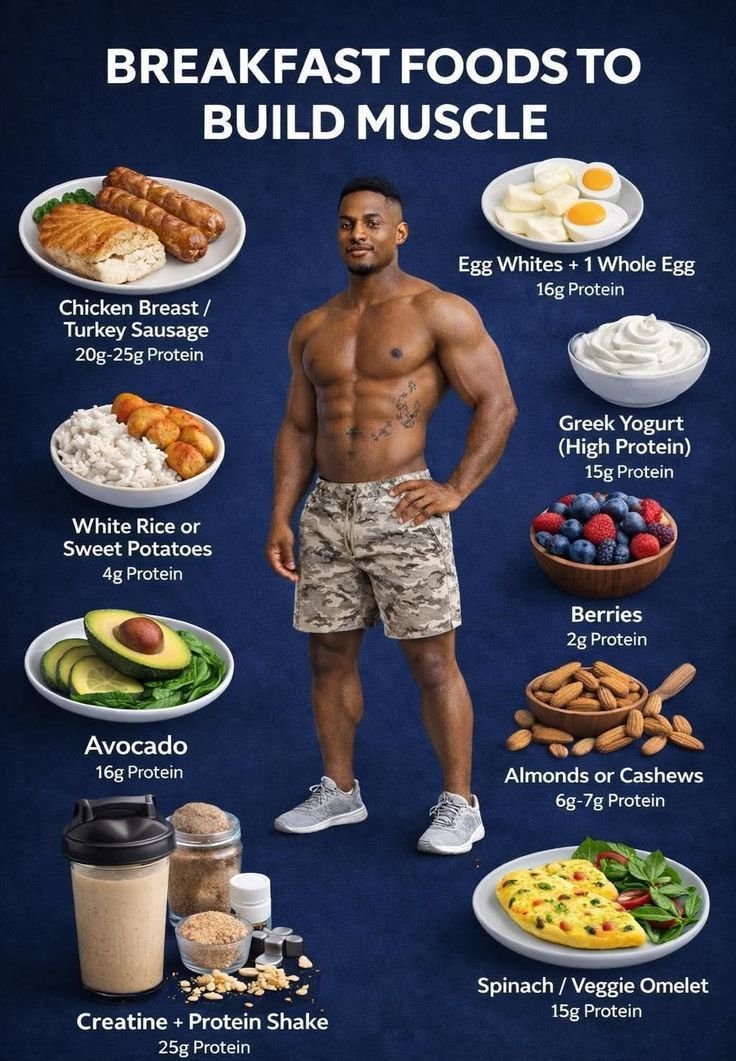
Breakfast may include oats with plant-based protein powder, nuts, seeds, and fruit. Lunch could consist of a quinoa and lentil bowl with vegetables and olive oil dressing. Dinner might include tofu or tempeh with brown rice, vegetables, and avocado.
Snacks such as smoothies, roasted chickpeas, nut butter sandwiches, and protein bars help increase daily calorie and protein intake.
Importance of Hydration for Muscle Growth
Hydration is often underestimated in muscle building. Water supports nutrient transport, muscle contractions, and recovery.
Plant-based diets are high in fiber, which increases water needs. Drinking enough water throughout the day helps prevent dehydration and supports performance.
Including electrolytes from fruits, vegetables, and coconut water can support hydration during intense training.
Supplements That Support Plant-Based Muscle Building
While whole foods should form the foundation of a plant-based muscle building diet, supplements can provide additional support.
Plant-based protein powders help meet protein targets. Creatine monohydrate, which is vegan-friendly, supports strength and muscle growth. Omega-3 supplements derived from algae support inflammation control and recovery.
Vitamin D supplementation may be necessary for individuals with limited sun exposure. Supplement use should complement, not replace, a balanced diet.
Common Mistakes in Plant-Based Muscle Building
One common mistake is under-eating calories. Many people consume large volumes of food but still fail to reach a calorie surplus.
Another mistake is relying on a limited range of foods, which can lead to nutrient deficiencies and boredom. Variety is essential for both nutrition and long-term adherence.
Ignoring strength training while focusing only on diet is another issue. Muscle growth requires progressive resistance training alongside proper nutrition.
Training and Diet Synergy
Nutrition and training must work together for muscle growth. A plant-based diet provides the fuel and building blocks, while resistance training provides the stimulus.
Progressive overload, adequate rest, and consistency are key factors. Without proper training, even the best diet will not lead to muscle gains.
Likewise, intense training without adequate nutrition leads to fatigue and poor results.
Long-Term Sustainability of Plant-Based Muscle Building
One of the biggest advantages of a plant-based muscle building diet is sustainability. When properly planned, it supports long-term health, performance, and ethical or environmental values.
Flexibility, enjoyment, and balance are important for maintaining a plant-based lifestyle. Including favorite foods and experimenting with recipes helps prevent burnout.
Sustainable muscle building focuses on gradual progress rather than quick fixes.
Final Thoughts
A plant-based muscle building diet is not only possible but highly effective when done correctly. By focusing on adequate calories, sufficient protein, balanced macronutrients, and micronutrient support, you can build strength, muscle mass, and overall fitness on a plant-based diet.
Consistency, variety, and smart planning are the keys to success. Whether your goal is lean muscle gain, athletic performance, or long-term health, a well-structured plant-based diet can support your journey.