

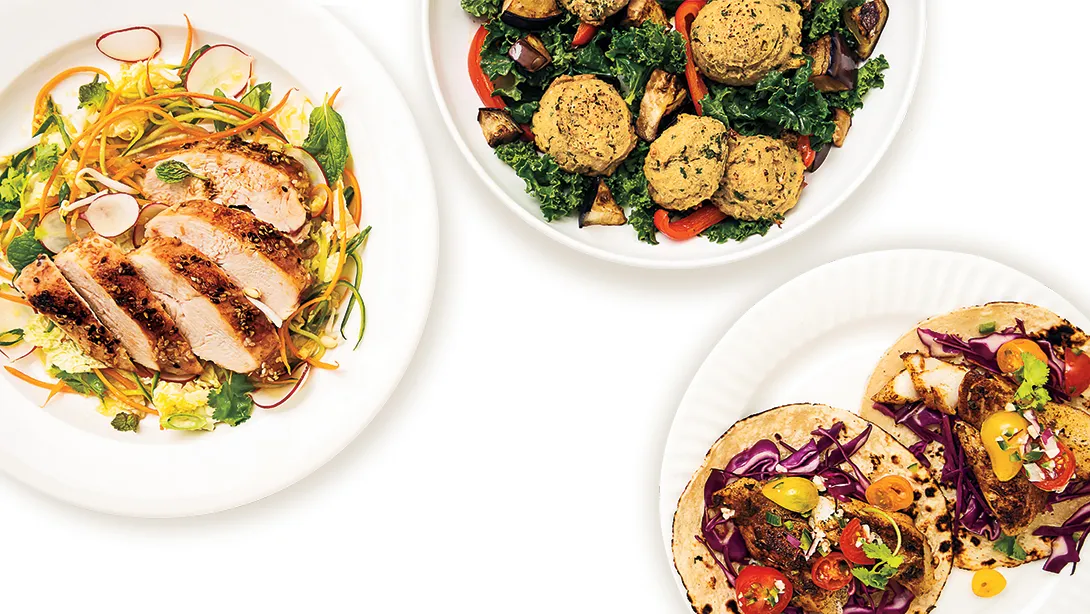
Staying fit and active does not mean starving yourself or following extreme diets that leave you feeling weak and unmotivated. True fitness and long-term health come from eating the right foods in the right portions. Low-calorie recipes play an important role in maintaining a healthy weight while still providing enough energy to stay active, exercise regularly, and enjoy daily life. When prepared correctly, low-calorie meals can be filling, nutritious, and delicious.
Many people think low-calorie food is bland or unsatisfying, but this is far from the truth. With the right ingredients, cooking methods, and meal planning, you can enjoy flavorful meals that support fat loss, muscle maintenance, and overall wellness. Low-calorie recipes help control calorie intake, improve digestion, support metabolism, and reduce the risk of lifestyle-related diseases. This guide explores the best low-calorie recipes and food ideas that help you stay fit, energetic, and active without feeling deprived.
Understanding Low-Calorie Eating for an Active Lifestyle
Low-calorie eating focuses on consuming nutrient-dense foods that provide maximum nutrition with fewer calories. These foods are usually high in fiber, protein, water content, and essential vitamins and minerals. For active people, the goal is not to eat as little as possible but to eat smart by choosing foods that fuel the body without excess calories.
An active lifestyle requires consistent energy, good recovery, and proper hydration. Low-calorie recipes help manage body weight while still supporting physical activity. When combined with regular exercise, these meals promote fat loss, muscle tone, and long-term fitness.
Benefits of Low-Calorie Recipes for Fitness and Health
Low-calorie recipes offer multiple benefits beyond weight control. They help improve digestion, regulate blood sugar levels, and reduce unhealthy fat accumulation. By focusing on whole foods and balanced meals, low-calorie eating supports heart health, boosts immunity, and improves overall energy levels.
Another major benefit is sustainability. Unlike crash diets, low-calorie recipes can be enjoyed daily without harming metabolism or mental health. They allow flexibility, variety, and enjoyment, making it easier to stay consistent with fitness goals.
Key Nutrients to Include in Low-Calorie Meals
Low-calorie meals should never be low in nutrition. To stay fit and active, your body needs the right balance of macronutrients and micronutrients.
Protein is essential for muscle maintenance, recovery, and satiety. Including lean protein sources helps prevent muscle loss while reducing hunger.
Carbohydrates provide energy for workouts and daily activities. Choosing complex carbohydrates ensures steady energy release without calorie overload.
Healthy fats are important for hormone balance, joint health, and nutrient absorption. Even in low-calorie recipes, small amounts of healthy fats are necessary.
Fiber supports digestion, controls appetite, and improves gut health. High-fiber foods make low-calorie meals more filling and satisfying.
Best Low-Calorie Breakfast Recipes for Energy
Breakfast sets the tone for the entire day. A low-calorie breakfast should provide energy, control hunger, and support metabolism.
Vegetable omelets made with egg whites or whole eggs combined with spinach, onions, tomatoes, and peppers are excellent low-calorie options. They provide protein, vitamins, and minerals without excessive calories.
Oatmeal prepared with water or low-fat milk and topped with fruits and seeds is another great choice. Oats provide fiber and slow-digesting carbohydrates that keep you full and energized.
Greek yogurt with berries and chia seeds is a protein-rich, low-calorie breakfast that supports digestion and muscle health. This meal is ideal for active people who train in the morning.
Low-Calorie Lunch Recipes to Stay Active
Lunch should be balanced and satisfying without making you feel heavy or sleepy. Low-calorie lunches help maintain energy levels and focus throughout the day.
Grilled chicken salad with mixed vegetables, olive oil dressing, and lemon juice is a classic low-calorie meal packed with protein and fiber. It supports muscle maintenance and fat loss.
Vegetable soups made with lentils, beans, or chickpeas are filling and nutritious while remaining low in calories. Soups are excellent for hydration and appetite control.
Whole grain wraps filled with grilled vegetables, lean protein, and yogurt-based sauce provide a balanced lunch option that supports an active lifestyle.
Best Low-Calorie Dinner Recipes for Recovery
Dinner should support recovery without excessive calorie intake. Low-calorie dinners help the body repair muscles and prepare for the next day.
Grilled fish with steamed vegetables is an excellent low-calorie dinner rich in protein and healthy fats. Fish supports muscle recovery and joint health.
Stir-fried vegetables with tofu or paneer using minimal oil provide plant-based protein and essential nutrients. This meal is light yet satisfying.
Baked chicken with roasted vegetables is another effective low-calorie dinner option. It provides protein, fiber, and antioxidants that support overall health.
Low-Calorie Snacks to Maintain Energy Levels
Snacks are important for active people to prevent energy crashes and overeating. Low-calorie snacks help control hunger between meals.
Fresh fruits such as apples, oranges, and berries are naturally low in calories and rich in fiber and vitamins. They satisfy sweet cravings without added sugar.
Roasted chickpeas and boiled corn are high-fiber, low-calorie snacks that support digestion and energy.
Low-fat yogurt, cottage cheese, or a handful of nuts can provide protein and healthy fats in controlled portions.
Low-Calorie Recipes for Weight Loss and Fat Control
Low-calorie recipes are especially beneficial for those aiming to lose weight while staying active. These meals help create a calorie deficit without reducing strength or endurance.
High-protein, low-calorie meals preserve muscle mass during weight loss. Fiber-rich foods increase satiety and reduce overall calorie intake.
Combining low-calorie recipes with regular physical activity results in sustainable fat loss and improved body composition.
Importance of Cooking Methods in Low-Calorie Meals
How food is prepared matters as much as what you eat. Low-calorie cooking methods help reduce unnecessary calories while preserving nutrients.
Grilling, steaming, baking, boiling, and air-frying are ideal cooking techniques. These methods require minimal oil and retain natural flavors.
Avoid deep-frying and excessive use of butter or heavy sauces, as they significantly increase calorie content.
Role of Hydration in Low-Calorie Diets
Hydration plays a crucial role in staying fit and active. Drinking enough water supports metabolism, digestion, and appetite control.
Water-rich foods such as cucumbers, tomatoes, watermelon, and soups add volume to meals without extra calories.
Staying hydrated helps prevent fatigue and supports physical performance during workouts.
Low-Calorie Recipes for Busy and Active Lifestyles
Busy schedules often lead to unhealthy food choices. Low-calorie recipes can be simple, quick, and convenient.
Meal prepping vegetables, lean proteins, and whole grains saves time and ensures healthy eating throughout the week.
Smoothies made with fruits, vegetables, and protein sources are quick low-calorie meal options for active individuals.
Common Mistakes in Low-Calorie Eating
One common mistake is eating too few calories, which can slow metabolism and reduce energy levels. Low-calorie eating should still meet nutritional needs.
Another mistake is avoiding fats completely. Healthy fats are essential even in low-calorie diets.
Relying on processed low-calorie foods can also be harmful. Whole, natural foods are always a better choice.
Balancing Low-Calorie Recipes with Exercise
Low-calorie recipes work best when paired with regular exercise. Physical activity increases calorie burn and improves how the body uses nutrients.
Strength training preserves muscle mass, while cardio supports fat loss and cardiovascular health.
Proper nutrition and exercise together create a balanced approach to fitness.
Long-Term Benefits of Low-Calorie Eating
Following low-calorie recipes consistently improves overall health, body composition, and energy levels.
It reduces the risk of obesity, diabetes, heart disease, and other lifestyle-related conditions.
Low-calorie eating encourages mindful food choices and a positive relationship with food.
Staying Motivated with Low-Calorie Meals
Variety and creativity are key to staying motivated. Experimenting with spices, herbs, and different vegetables keeps meals exciting.
Allowing occasional treats in moderation prevents burnout and promotes long-term consistency.
Fitness is a lifestyle, not a short-term goal, and low-calorie recipes make this lifestyle enjoyable and sustainable.
Final Thoughts on Best Low-Calorie Recipes to Stay Fit and Active
Low-calorie recipes are a powerful tool for staying fit, active, and healthy. They provide essential nutrients, support weight management, and fuel physical activity without unnecessary calories.
By focusing on whole foods, balanced meals, smart cooking methods, and proper hydration, you can enjoy delicious low-calorie meals every day. Staying fit is not about restriction but about making informed food choices that support your body and lifestyle. With consistency and balance, low-calorie recipes help you achieve long-term fitness, energy, and overall well-being.