

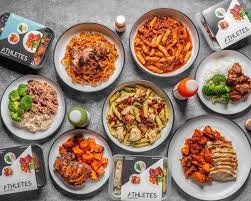
Athletes and fitness lovers often walk a fine line between fueling performance and maintaining a lean, healthy body composition. Eating too little can reduce energy, strength, and recovery, while overeating can lead to unwanted fat gain. This is where healthy low-calorie meals play a crucial role. Low-calorie meals that are rich in nutrients, protein, fiber, and essential vitamins help athletes stay energized, support muscle recovery, and promote overall health without excess calories. This comprehensive guide on healthy low-calorie meals for athletes and fitness lovers explains how smart food choices can support training goals, improve recovery, and maintain long-term fitness.
Why Low-Calorie Meals Matter for Athletes
Low-calorie meals are not about starvation or extreme dieting. Instead, they focus on nutrient density, meaning more nutrition per calorie. Athletes often require controlled calorie intake during cutting phases, weight management periods, or off-season conditioning. Fitness lovers aiming for fat loss or body recomposition also benefit from low-calorie meals that keep them full and energized. Properly planned low-calorie meals help control body fat, improve metabolic health, and support consistent training without compromising performance.
Understanding Calories and Energy Balance
Calories represent the energy obtained from food. Athletes burn a significant number of calories through training, daily activity, and recovery processes. Low-calorie meals work best when they are balanced and aligned with training demands. The goal is to create a slight calorie deficit when fat loss is desired while maintaining adequate protein and micronutrient intake. Energy balance plays a key role in achieving sustainable fitness results.
Role of Macronutrients in Low-Calorie Meals
Macronutrients include protein, carbohydrates, and fats. In low-calorie meals, the quality and ratio of macronutrients are more important than restriction.
Protein as the Cornerstone of Low-Calorie Diets
Protein is essential for athletes and fitness lovers, especially when calories are limited. It supports muscle repair, prevents muscle loss, and increases satiety. High-protein low-calorie foods allow athletes to stay full while supporting recovery. Lean protein sources such as chicken breast, fish, eggs, egg whites, low-fat dairy, tofu, lentils, and legumes are ideal for low-calorie meal planning.
Smart Carbohydrate Choices for Energy
Carbohydrates are often reduced in low-calorie diets, but they should not be eliminated. Choosing complex carbohydrates with high fiber content provides sustained energy and prevents blood sugar spikes. Whole grains, vegetables, fruits, and legumes offer carbohydrates along with vitamins and minerals essential for performance.
Healthy Fats in Controlled Portions
Healthy fats support hormone production, joint health, and nutrient absorption. Even in low-calorie meals, small amounts of healthy fats from nuts, seeds, olive oil, and avocados are important. Portion control ensures calorie intake remains balanced.
Importance of Micronutrients in Low-Calorie Nutrition
Vitamins and minerals support energy metabolism, muscle function, bone health, and immunity. Low-calorie meals must include a variety of colorful fruits and vegetables to prevent nutrient deficiencies. Athletes with adequate micronutrient intake recover faster and maintain consistent performance.
Hydration and Low-Calorie Eating
Hydration plays a vital role in appetite control, performance, and recovery. Drinking enough water supports digestion, nutrient transport, and body temperature regulation. Proper hydration enhances the effectiveness of low-calorie meals by preventing fatigue and false hunger signals.
Healthy Low-Calorie Breakfast Ideas for Athletes
Breakfast sets the tone for the day and supports morning workouts or daily activities. Low-calorie breakfasts should be rich in protein and fiber.
Vegetable Omelet with Egg Whites
A vegetable omelet made with egg whites and colorful vegetables provides high protein with minimal calories. Adding spinach, onions, tomatoes, and mushrooms increases fiber and micronutrient intake.
Greek Yogurt with Fruits
Low-fat Greek yogurt combined with fresh fruits offers protein, probiotics, and antioxidants. This meal supports digestion and muscle recovery while remaining low in calories.
Oatmeal with Berries
Oatmeal prepared with water or low-fat milk and topped with berries provides complex carbohydrates and fiber. It supports sustained energy without excessive calories.
Low-Calorie Lunch Meals for Fitness Lovers
Lunch should refuel the body and support afternoon training or daily activities.
Grilled Chicken Salad
Grilled chicken breast served over a large salad of leafy greens, cucumbers, tomatoes, and peppers provides protein, fiber, and volume with low calories. Using light dressing or olive oil in moderation keeps calories controlled.
Lentil and Vegetable Bowl
Lentils combined with steamed vegetables create a filling, protein-rich meal. This plant-based option supports muscle recovery and digestion.
Fish and Steamed Vegetables
Grilled or baked fish with steamed vegetables offers lean protein and essential nutrients. This meal is light yet satisfying.
Healthy Low-Calorie Dinner Options
Dinner should support recovery while avoiding excessive calorie intake before rest.
Stir-Fried Vegetables with Tofu
Tofu stir-fried with vegetables using minimal oil provides protein and fiber. This meal is ideal for vegetarian athletes.
Soup-Based Meals for Satiety
Vegetable soups with beans or lean protein provide warmth, hydration, and fullness with fewer calories. Soup-based dinners are effective for weight management.
Lean Meat with Roasted Vegetables
Lean meats like turkey or chicken paired with roasted vegetables create a balanced, low-calorie dinner that supports muscle repair.
Healthy Low-Calorie Snacks for Athletes
Snacks help maintain energy levels and prevent overeating during main meals.
Fruits and Nuts in Moderation
Fruits provide natural sugars and fiber, while small portions of nuts offer healthy fats. Portion control is key.
Cottage Cheese and Vegetables
Low-fat cottage cheese with vegetables offers protein and volume with minimal calories.
Smoothies with Controlled Ingredients
Low-calorie smoothies made with fruits, spinach, protein powder, and water or almond milk support recovery without excess calories.
Pre-Workout Low-Calorie Meals
Pre-workout meals should provide energy without heaviness. Light carbohydrates and protein work best.
Post-Workout Low-Calorie Recovery Meals
Post-workout meals should include protein to repair muscles and carbohydrates to restore glycogen, even when calories are controlled.
Meal Timing and Low-Calorie Success
Eating at regular intervals helps stabilize blood sugar levels and prevent extreme hunger. Meal timing supports consistent energy and recovery.
Common Mistakes in Low-Calorie Diets for Athletes
Skipping meals, eliminating carbohydrates, and inadequate protein intake can harm performance. Balanced low-calorie meals prevent these issues.
Low-Calorie Meal Planning Tips
Planning meals in advance ensures consistency and prevents unhealthy food choices. Using whole foods, cooking at home, and tracking portions improves success.
Long-Term Benefits of Healthy Low-Calorie Meals
Healthy low-calorie meals improve body composition, metabolic health, digestion, and energy levels. They also support sustainable fitness habits and long-term athletic performance.
Conclusion
Healthy low-calorie meals for athletes and fitness lovers provide the perfect balance between performance and body composition goals. By focusing on nutrient-dense foods, adequate protein, fiber-rich carbohydrates, healthy fats, and proper hydration, athletes can maintain energy, support recovery, and stay lean. Consistency and smart food choices transform low-calorie eating into a powerful tool for long-term fitness and overall well-being.