

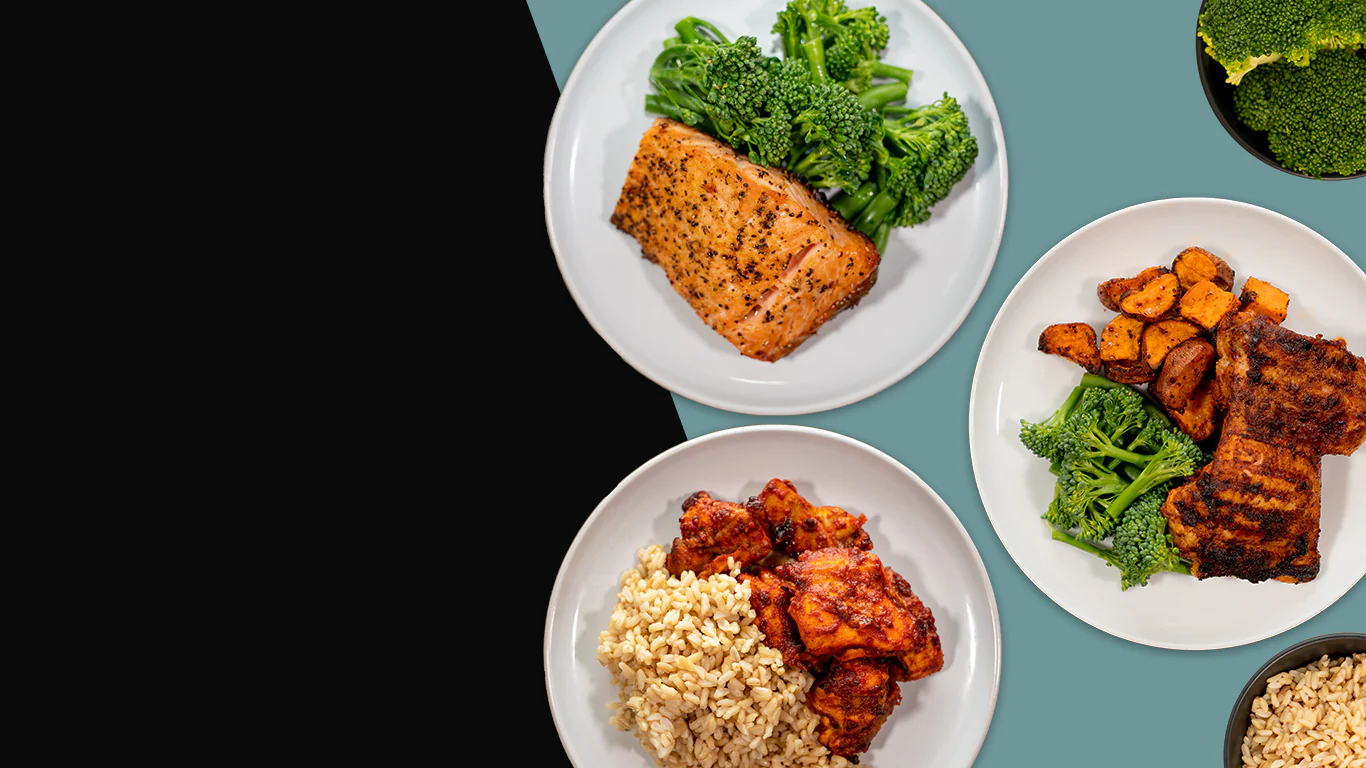
Training days demand smart nutrition choices, especially when it comes to dinner. After a workout, your body needs nutrients for muscle recovery, energy balance, and overall repair, but that does not mean you need heavy or high-calorie meals. Easy low-calorie dinner recipes are perfect for training days because they provide essential protein, fiber, vitamins, and minerals without adding unnecessary calories that may slow fat loss or digestion.
Many athletes and fitness lovers struggle with dinner choices after training. Some eat too much, thinking they need extra calories, while others eat too little, leading to poor recovery and fatigue. The right low-calorie dinner strikes a balance between nourishment and calorie control. This detailed guide explains why low-calorie dinners are important for training days, what nutrients they should include, and how easy low-calorie dinner recipes support performance, recovery, and weight management.
Why Low-Calorie Dinners Matter on Training Days
Low-calorie dinners help control total daily calorie intake while still supporting muscle repair and recovery. Most people are less active in the evening, so heavy dinners can easily turn into excess calorie storage. On training days, the goal is to refuel muscles without overeating.
Eating low-calorie dinners helps improve digestion, supports better sleep, and prevents bloating or discomfort. It also helps maintain a calorie deficit for those focused on fat loss while preserving lean muscle mass. For athletes training regularly, smart dinner choices ensure consistent progress without unwanted weight gain.
Understanding Calorie Needs After Workouts
After training, the body needs nutrients, not excess calories. Protein is essential for muscle repair, carbohydrates help replenish glycogen, and vegetables provide antioxidants that reduce inflammation. However, calorie needs after workouts are often overestimated.
Low-calorie dinner recipes focus on nutrient density rather than calorie density. This means getting more vitamins, minerals, and protein per calorie. Such meals support recovery while keeping overall energy intake in check, making them ideal for training days.
Key Nutrients for Low-Calorie Training Day Dinners
Low-calorie dinners should still be balanced. Protein helps rebuild muscle fibers damaged during training. Fiber supports digestion and keeps you full. Healthy fats in small amounts support hormone balance, while carbohydrates help recovery when included wisely.
Vegetables play a major role in low-calorie dinners because they add volume without many calories. Lean protein sources like chicken, fish, eggs, tofu, and legumes provide recovery benefits without excess fat. Choosing the right ingredients makes low-calorie dinners satisfying and effective.
Role of Protein in Low-Calorie Dinners
Protein is the most important component of a training day dinner. It supports muscle repair, reduces soreness, and helps maintain lean muscle mass during weight loss. High-protein, low-calorie foods keep you full for longer and reduce late-night cravings.
Lean protein sources such as grilled chicken breast, fish, egg whites, low-fat paneer, tofu, lentils, and beans are ideal for low-calorie dinners. Including protein in dinner also helps stabilize blood sugar levels overnight.
Importance of Vegetables in Low-Calorie Recipes
Vegetables are the foundation of easy low-calorie dinner recipes. They are rich in fiber, antioxidants, and micronutrients while being naturally low in calories. Vegetables help reduce inflammation caused by training and support immune health.
Leafy greens, broccoli, cauliflower, zucchini, bell peppers, carrots, and tomatoes add color, flavor, and nutrition to dinners. Including a variety of vegetables ensures better nutrient intake and keeps meals interesting.
Easy Low-Calorie Chicken Dinner Recipes
Chicken is one of the most popular proteins for training day dinners. Grilled or baked chicken breast is low in calories and high in protein. It pairs well with vegetables and light sauces.
A simple grilled chicken with steamed vegetables makes an excellent low-calorie dinner. Adding herbs, spices, lemon juice, or yogurt-based marinades enhances flavor without increasing calories. Chicken stir-fry with lots of vegetables and minimal oil is another easy option for training days.
Easy Low-Calorie Fish Dinner Recipes
Fish is an excellent protein source that is light and easy to digest. Fish like tilapia, cod, tuna, and salmon provide high-quality protein and essential nutrients.
Grilled or baked fish with vegetables is ideal for training day dinners. Fish cooks quickly and absorbs flavors well, making it easy to prepare. Including fish in dinner supports muscle recovery and reduces inflammation due to its omega-3 content.
Vegetarian Low-Calorie Dinner Recipes for Training Days
Vegetarian athletes can also enjoy easy low-calorie dinners. Tofu, paneer, lentils, chickpeas, and beans are great plant-based protein sources. When cooked with vegetables and minimal oil, they make satisfying low-calorie meals.
Stir-fried tofu with vegetables, lentil soups, or paneer with greens are excellent options. Using spices and herbs adds flavor without adding calories. Vegetarian low-calorie dinners can be just as effective for recovery as non-vegetarian meals.
Low-Calorie Egg-Based Dinner Recipes
Eggs are versatile, affordable, and rich in protein. Egg-based dinners are easy to prepare and perfect for training days. Egg whites are especially useful for low-calorie meals because they provide protein without fat.
Vegetable omelets, scrambled egg whites with greens, or boiled eggs with salad are simple low-calorie dinner ideas. These meals are light, filling, and support muscle recovery effectively.
Low-Calorie One-Bowl Dinner Ideas
One-bowl dinners are convenient and easy to prepare. A low-calorie bowl can include lean protein, vegetables, and a small portion of complex carbohydrates.
Examples include chicken and vegetable bowls, tofu and quinoa bowls, or lentil and vegetable bowls. Keeping portions controlled and focusing on vegetables ensures the meal stays low in calories while providing essential nutrients.
Importance of Carbohydrates in Low-Calorie Dinners
Carbohydrates are not the enemy, even in low-calorie dinners. Small portions of complex carbohydrates help replenish glycogen and support recovery. The key is portion control and choosing the right sources.
Whole grains, sweet potatoes, and legumes provide slow-digesting carbohydrates. Including a small amount in dinner helps prevent fatigue and improves next-day workout performance.
Low-Calorie Sauces and Seasonings for Flavor
Flavor is important for consistency. Low-calorie dinners do not have to be bland. Using herbs, spices, lemon juice, vinegar, garlic, ginger, and yogurt-based sauces enhances taste without adding many calories.
Avoid heavy creams, excess oil, and sugary sauces. Smart seasoning choices make low-calorie dinners enjoyable and satisfying.
Meal Prep Tips for Low-Calorie Training Day Dinners
Meal prep saves time and helps maintain consistency. Preparing protein and vegetables in advance makes it easier to assemble low-calorie dinners after training.
Cooking in bulk, using simple recipes, and storing meals properly reduces the temptation to eat unhealthy foods. Meal prep also helps control portion sizes and calorie intake.
Common Mistakes in Low-Calorie Dinner Planning
One common mistake is eating too little protein at dinner, which slows recovery. Another mistake is skipping dinner altogether, leading to late-night hunger and overeating.
Overusing sauces and oils can also increase calorie content without adding nutrition. Balanced, simple meals are more effective than extreme calorie restriction.
Low-Calorie Dinners and Sleep Quality
Eating light, low-calorie dinners improves sleep quality. Heavy meals before bedtime can cause discomfort and disrupt sleep. Proper sleep is essential for muscle recovery and fat loss.
Low-calorie dinners that include protein and vegetables support digestion and help the body recover overnight. Better sleep leads to better training performance.
Hydration Along with Low-Calorie Dinners
Hydration is often overlooked during dinner. Drinking enough water supports digestion and nutrient absorption. Dehydration can be mistaken for hunger, leading to overeating.
Including water or herbal teas with dinner supports overall recovery and helps maintain calorie control.
Benefits of Low-Calorie Dinners for Weight Management
Low-calorie dinners support fat loss by reducing total daily calorie intake. They help preserve lean muscle mass when combined with adequate protein and training.
Consistent low-calorie dinners make weight management easier and more sustainable. They reduce bloating, improve digestion, and support overall health.
Long-Term Advantages of Easy Low-Calorie Dinner Recipes
Easy low-calorie dinner recipes encourage consistency. When meals are simple and enjoyable, it is easier to stick to healthy habits.
Over time, these dinners support improved body composition, better energy levels, and enhanced training results. They also promote a healthy relationship with food.
Conclusion: Building Better Training Days with Low-Calorie Dinners
Easy low-calorie dinner recipes are a powerful tool for training days. They support muscle recovery, improve sleep, control calories, and enhance overall performance. By focusing on lean protein, vegetables, smart carbohydrates, and simple cooking methods, it is possible to enjoy satisfying dinners without compromising fitness goals.
Low-calorie dinners are not about restriction but about smart choices. With the right approach, they help athletes and fitness lovers train better, recover faster, and achieve long-term health and fitness success.