

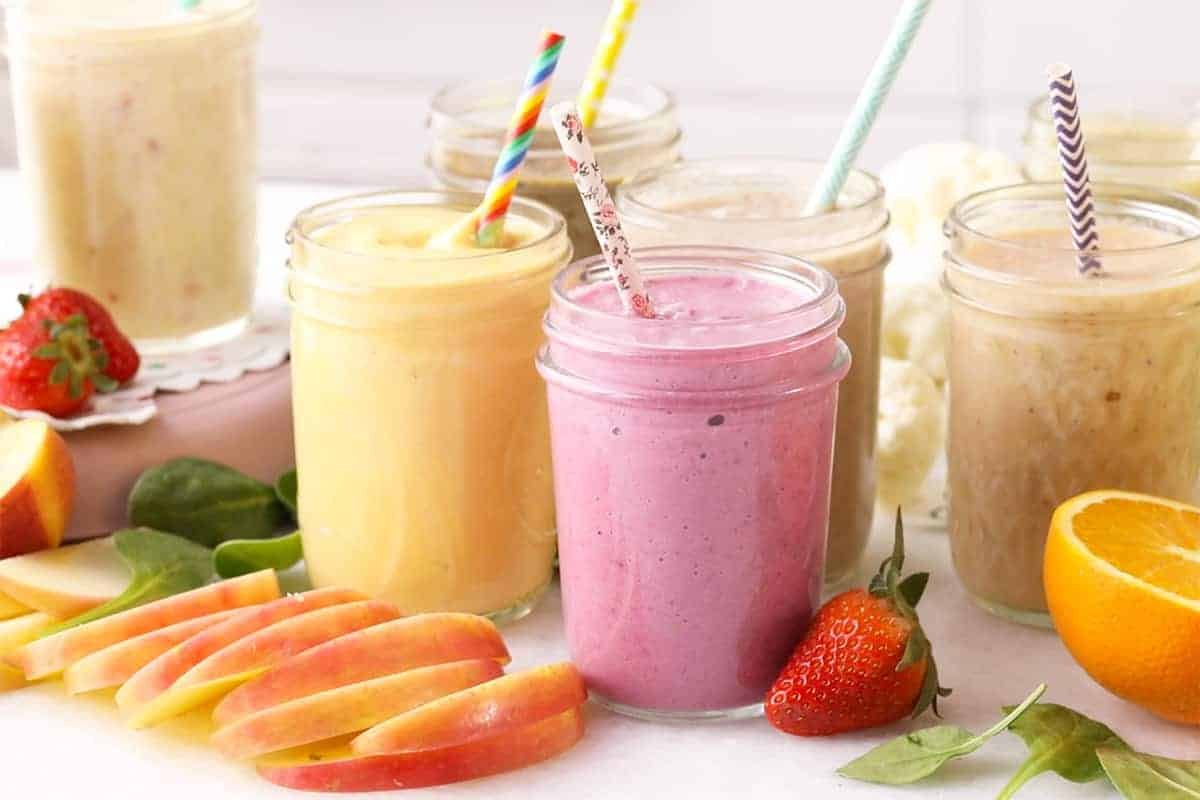
The Magic of Smoothies for Children
There is something almost magical about smoothies when it comes to feeding children. They have the power to transform ingredients that kids might normally reject into delicious, treat-like beverages that they actually ask for by name. A spinach leaf that would be pushed to the side of a plate disappears without complaint when blended into a purple smoothie alongside blueberries and bananas. A spoonful of chia seeds that would prompt suspicious looks goes completely unnoticed when mixed with mango and yogurt. Smoothies offer parents a secret weapon in the ongoing battle to get children the nutrients they need, all while making kids feel like they are getting something special.
Beyond the convenience of hiding healthy ingredients, smoothies serve as an excellent vehicle for essential nutrients that growing bodies require. Fruits provide vitamins, fiber, and natural energy. Dairy or plant-based milks contribute calcium and protein. Nut butters add healthy fats that support brain development. Leafy greens offer iron and other micronutrients. When thoughtfully assembled, a single smoothie can deliver a remarkable portion of a child’s daily nutritional needs in a form that feels more like a treat than a chore.
The key to smoothies that kids actually want to drink lies in striking the right balance between nutrition and taste. A smoothie that is too healthy often ends up abandoned after a single sip, its good intentions wasted. A smoothie that is essentially a dessert in disguise misses the opportunity to contribute meaningful nutrition. The recipes that follow have been developed with this balance in mind, tested on real children, and refined to maximize both appeal and nutritional value. They range from simple two-ingredient options for toddlers to more complex combinations that adventurous eaters will enjoy.
Setting Up for Smoothie Success
Before diving into specific recipes, it is worth considering a few strategies that make smoothie preparation easier and more successful. The equipment you use matters, though you do not need anything fancy. A decent blender is the only essential tool, and it does not need to be a high-end model. Mid-range blenders work perfectly well for most smoothies, though they may require a bit more liquid and occasional stopping to stir thicker mixtures. If you find yourself making smoothies frequently, a blender with a personal cup attachment can be convenient, allowing you to blend directly in the cup your child will drink from, reducing cleanup.
Batch preparation can transform smoothies from a sometimes-hassle into an everyday possibility. Many parents find success by preparing smoothie packs in advance, assembling all the solid ingredients for multiple smoothies into individual freezer bags. In the morning, you simply dump a bag into the blender, add liquid, and blend. This approach takes advantage of downtime on weekends to streamline busy weekday mornings. It also helps with portion control, ensuring each smoothie contains the right balance of ingredients without last-minute guesswork.
Getting children involved in the process can dramatically increase their willingness to drink the results. Even young children can help with simple tasks like dumping pre-measured ingredients into the blender or pressing the blend button. Older children can help choose which fruits to include, wash produce, or measure ingredients. When kids have a hand in creating something, they develop a sense of ownership that makes them more likely to enjoy the final product. Some parents even let children name their own smoothie creations, turning the process into a game.
Texture matters enormously to children, often more than taste. Some kids prefer smoothies thin enough to drink through a straw, while others enjoy thick smoothie bowl consistency that requires a spoon. Pay attention to your child’s preferences and adjust liquid amounts accordingly. If your child rejects a smoothie, consider whether texture might be the issue before assuming they dislike the flavor. Adding more liquid to thin a smoothie or more frozen fruit to thicken it can transform the same ingredients into something entirely more appealing.
Temperature also affects acceptance. Most children prefer smoothies very cold, almost like a milkshake. Using frozen fruit rather than fresh ice helps achieve this temperature without diluting the flavor. If you use fresh fruit, adding a few ice cubes can achieve similar results, though this does water down the smoothie slightly. Some children prefer room temperature smoothies, particularly younger toddlers who might find cold drinks uncomfortable. Experiment to learn what works for your child.
The Classic Strawberry Banana Smoothie
The strawberry banana combination exists for good reason: it works every time, pleasing even the pickiest eaters while providing genuine nutritional value. This recipe serves as the perfect foundation for anyone new to making smoothies for children, requiring minimal ingredients and delivering reliably delicious results.
To make two servings, combine one cup of strawberries, fresh or frozen, with one ripe banana, one cup of milk, dairy or plant-based, and one half cup of plain yogurt. If you are using fresh fruit rather than frozen, add half a cup of ice cubes to achieve the right chilled texture. Blend until completely smooth, starting on low speed and gradually increasing to high to ensure everything combines thoroughly.
The variations on this basic recipe are nearly endless, allowing you to adapt based on what you have available or what nutrients you want to emphasize. Swapping strawberries for raspberries creates a tarter flavor that some children prefer. Adding a tablespoon of cocoa powder transforms the smoothie into a chocolate-covered strawberry experience that feels like an indulgence. A handful of spinach disappears completely into the purple-red mixture, adding iron and vitamins without affecting the taste.
For children who need extra protein, adding a scoop of vanilla protein powder or a tablespoon of almond butter creates a more substantial smoothie that can serve as a complete breakfast. Those avoiding dairy can use coconut yogurt and almond milk for a tropical twist that maintains creamy texture without any animal products. The strawberry banana combination is forgiving enough to accommodate almost any substitution while remaining reliably delicious.
The Tropical Mango Magic Smoothie
Mango possesses a natural sweetness and creamy texture that children find irresistible, making it an excellent base for smoothies. This tropical creation tastes like a vacation in a glass while delivering impressive amounts of vitamin C and vitamin A, both essential for immune function and healthy vision.
For two servings, combine two cups of frozen mango chunks with one banana, one cup of orange juice, and one half cup of coconut milk from a can for maximum creaminess or coconut beverage from a carton for lighter texture. Blend until smooth, adding more liquid if necessary to achieve the desired consistency. The orange juice brightens the mango flavor while adding additional vitamin C, creating a smoothie that genuinely tastes like tropical paradise.
If you want to boost the nutritional profile further, consider adding a handful of fresh spinach. The vibrant orange color of the mango and orange juice completely hides any green, making this an ideal recipe for sneaking in leafy greens. The mild flavor of spinach disappears entirely against the bold tropical fruits, meaning even children who normally reject greens will consume them without complaint.
For extra creaminess and healthy fats, half an avocado can be added to this smoothie. Avocado contributes a silky texture without adding any distinct flavor, and its monounsaturated fats support brain development in growing children. The combination of mango, avocado, and coconut milk creates a smoothie so rich and satisfying that it could easily pass for dessert.
This smoothie works well with a variety of additions. A tablespoon of flax seeds adds omega-3 fatty acids and fiber with minimal texture impact. Fresh mint leaves, if your child enjoys them, create an interesting flavor dimension that some children love. A small piece of fresh ginger adds warmth and digestive benefits, though this works best for older children with more adventurous palates.
The Berry Blast Smoothie
Berries rank among the most nutritious fruits available, packed with antioxidants, fiber, and vitamins while being relatively low in natural sugar. Their deep colors come from anthocyanins, compounds that research suggests support brain health and reduce inflammation. The challenge with berries is that their seeds and tartness can sometimes put children off. This recipe combines berries with ingredients that smooth out these potential objections.
For two servings, combine one cup of mixed frozen berries, strawberries, blueberries, raspberries, and blackberries all work, with one banana, one cup of milk, and one half cup of Greek yogurt. The banana provides natural sweetness that balances berry tartness, while the Greek yogurt contributes protein and creamy texture. Blend thoroughly, continuing until the berry seeds are broken down enough that they do not create an unpleasant texture.
Greek yogurt deserves special mention for its role in children’s nutrition. The straining process removes much of the whey, concentrating protein to roughly twice the amount found in regular yogurt. This makes Greek yogurt exceptionally effective at keeping children full and satisfied, preventing the mid-morning hunger that can lead to crankiness and poor concentration at school. The protein also supports muscle development and repair, important for active growing children.
For children who need dairy-free options, coconut or soy yogurt combined with almond milk creates a equally delicious smoothie. The key is maintaining enough creaminess to balance the berries’ natural tartness. Adding half an avocado can help achieve this texture in dairy-free versions.
This smoothie accepts hidden vegetables particularly well. Cooked and cooled beets blend into a berry smoothie without affecting flavor while adding impressive amounts of folate, manganese, and potassium. The deep red color of beets actually enhances the berry appearance, making this addition completely undetectable. Frozen cauliflower rice, available in many grocery stores, adds bulk and nutrients without changing taste.
The Peanut Butter and Banana Smoothie
The classic flavor combination of peanut butter and banana translates beautifully into smoothie form, creating a drink that feels substantial enough to serve as a meal. This smoothie provides protein, healthy fats, and potassium in a package that most children find deeply satisfying.
For two servings, combine two bananas, preferably frozen for best texture, with two tablespoons of peanut butter, one cup of milk, and one half cup of plain yogurt. Blend until completely smooth, adding more milk if necessary to achieve desired consistency. The frozen bananas create a thick, milkshake-like texture that children love, while the peanut butter contributes richness and staying power.
This smoothie offers numerous opportunities for variation. Almond butter, cashew butter, or sunflower seed butter can replace peanut butter for children with allergies or simply for variety. A tablespoon of cocoa powder transforms this into a chocolate peanut butter banana smoothie that tastes like a dessert but delivers genuine nutrition. A handful of oats added before blending creates a more substantial smoothie that keeps children full for hours.
For children who need extra calories, whether because they are underweight or simply highly active, this smoothie accepts additions like a tablespoon of coconut oil or a scoop of vanilla ice cream. The coconut oil adds healthy fats and calories without affecting flavor, while ice cream obviously makes the smoothie more indulgent for occasional treats.
The peanut butter banana combination also works well with greens. A handful of spinach disappears completely into the brown color, adding iron and vitamins without any flavor impact. Kale, which has a stronger flavor than spinach, works less well here unless your child is already accustomed to greens. Starting with spinach and gradually increasing the amount helps children develop acceptance over time.
The Green Monster That Kids Actually Drink
Green smoothies have earned a reputation as a health food that children resist, but this recipe proves that green can be delicious. The secret lies in balancing the intensity of spinach with sweet fruits that children already love, creating a smoothie that delivers impressive nutrition while tasting like a treat.
For two servings, combine two cups of fresh spinach, one banana, one cup of frozen pineapple chunks, one cup of milk, and one half cup of plain yogurt. Blend thoroughly, starting on low speed to break down the spinach before increasing to high. The result should be completely smooth with no visible green flecks, a uniform pale green color that looks appealing rather than intimidating.
The pineapple deserves special credit for making this smoothie work. Its tropical sweetness and bright flavor dominate the taste profile, completely overwhelming the mild spinach. Most children cannot detect any vegetable flavor at all, just the pleasant combination of banana and pineapple. The banana contributes creaminess while the yogurt adds protein and tang that balance the sweetness.
For variety, swap the pineapple for mango, which pairs equally well with spinach while offering its own nutritional benefits. Frozen peaches work beautifully in warmer months. The key is using fruit with enough sweetness and flavor intensity to carry the smoothie, allowing the spinach to contribute nutrition without dominating taste.
This smoothie accepts additional boosts gracefully. A tablespoon of chia seeds adds omega-3 fatty acids, fiber, and protein, though they do create a slightly different texture that some children notice. Flax seeds grind more finely and disappear more completely. A scoop of vanilla protein powder creates a more substantial smoothie for active children or those who need extra nutrition.
The Watermelon Refresher Smoothie
Watermelon contains more water than almost any other fruit, making it ideal for creating light, refreshing smoothies that children love on hot days. This smoothie requires no dairy, making it suitable for children who cannot tolerate milk or for times when a lighter option feels more appropriate.
For two servings, combine three cups of seedless watermelon chunks, preferably frozen for best texture, with one cup of frozen strawberries and the juice of half a lime. Blend until smooth, adding a small amount of water only if necessary to get the blender moving. The result should be a vibrant pink, slushy texture that tastes like summer in a cup.
The lime juice serves an important purpose beyond flavor. Its acidity brightens the watermelon and strawberry, preventing the smoothie from tasting flat or one-dimensional. Even a small amount makes a noticeable difference, so do not skip it unless you have no alternative. Lemon juice can substitute in a pinch, though lime pairs more naturally with watermelon.
This smoothie works beautifully as a base for experimentation. Fresh mint leaves blended in create an even more refreshing experience that some children adore. A small piece of fresh ginger adds warmth and complexity that appeals to older children with more developed palates. Frozen banana can be added for creaminess, though this does change the character of the smoothie significantly.
Because this smoothie contains no dairy or nut butters, it is lighter and less filling than other options. This makes it perfect for afternoon snacks when you do not want to spoil dinner, or for hot days when heavy foods feel unappealing. It also freezes beautifully into popsicles, providing an even more portable treat for pool days or outdoor play.
The Creamy Coconut Dream Smoothie
Coconut creates naturally sweet, creamy smoothies that appeal to children who might resist dairy-based options. This recipe combines coconut with pineapple and banana for a tropical combination that transports young drinkers to imaginary island vacations.
For two servings, combine one cup of coconut milk from a can for maximum richness, one cup of frozen pineapple chunks, one frozen banana, and one half cup of plain yogurt if desired for extra creaminess. Blend until completely smooth, adding a splash of water or additional coconut milk only if necessary. The result should be thick enough to require a spoon but still drinkable through a wide straw.
Canned coconut milk deserves explanation because it differs significantly from coconut beverage sold in cartons. The canned version contains much higher fat content, creating the rich, creamy texture that makes this smoothie special. For children who need the calories, this is ideal. For those watching fat intake, light coconut milk or coconut beverage can substitute, though the texture will be thinner.
This smoothie accepts a wide range of additions. Mango makes a natural partner for the coconut-pineapple base. A handful of spinach disappears completely into the pale color. Chia seeds add nutrition without affecting flavor. The tropical flavor profile is forgiving enough to accommodate experimentation.
For children who love texture, toasted coconut flakes sprinkled on top just before serving adds visual appeal and a pleasant crunch. This works particularly well if you serve the smoothie in a bowl with a spoon rather than a cup with a straw. Fresh pineapple wedges on the rim of the glass create a festive presentation that makes the smoothie feel like a special occasion.
The Chocolate Cherry Smoothie
Chocolate and cherry combine in a smoothie that feels like an indulgence while delivering genuine nutritional benefits. Dark cherries contain anthocyanins, the same antioxidants found in berries, along with melatonin that some research suggests supports healthy sleep patterns. Combined with cocoa, this smoothie satisfies chocolate cravings while contributing to a child’s daily fruit intake.
For two servings, combine two cups of frozen dark sweet cherries, one banana, one cup of milk, one tablespoon of unsweetened cocoa powder, and one half cup of plain yogurt. Blend until completely smooth, tasting and adjusting sweetness if necessary. The banana provides enough natural sugar for most children, but those accustomed to sweeter drinks might appreciate a teaspoon of maple syrup or honey.
The cocoa powder deserves attention because quality matters more than in other recipes. Unsweetened natural cocoa powder works well, but Dutch-processed cocoa creates a smoother, less acidic chocolate flavor that many children prefer. Read labels carefully to ensure you are buying pure cocoa rather than sweetened cocoa mix, which contains added sugar and often other ingredients.
This smoothie hides vegetables exceptionally well. Cooked and cooled beets blend into the deep red-brown color without detection, adding folate and potassium. A small amount of spinach disappears completely. The chocolate flavor is robust enough to cover almost any addition, making this recipe a workhorse for parents seeking to boost nutrition.
For children who need extra protein, a scoop of chocolate protein powder enhances the chocolate flavor while adding staying power. Those avoiding dairy can use almond milk and coconut yogurt successfully. The combination of cherry and chocolate is robust enough to work with almost any substitution.
Tips for Troubleshooting Picky Eaters
Even the most carefully crafted smoothie can meet resistance from particular children. Understanding why rejection happens helps parents respond effectively rather than becoming frustrated. Sometimes the issue is texture rather than taste, a smoothie that is too thick or too thin for a child’s preference. Experimenting with liquid amounts can transform the same recipe from rejected to beloved.
Temperature matters enormously to some children. Smoothies that are too cold can cause discomfort, particularly for younger children or those with sensitive teeth. If your child rejects a smoothie, try letting it sit for a few minutes to warm slightly before offering again. Conversely, some children refuse smoothies that are not cold enough, finding them unappealing at room temperature. Pay attention to your child’s preferences and adjust accordingly.
Involving children in the process can overcome resistance that stems from control issues rather than genuine dislike. When children help choose ingredients, measure them, and press the blend button, they develop investment in the outcome. Letting them name their creation adds another layer of engagement. Some parents find success by presenting smoothie making as a science experiment, exploring what happens when different ingredients combine.
Presentation matters more than adults might expect. A colorful straw, a fun cup, or a garnish of fruit on the rim can transform a smoothie from ordinary food into an exciting treat. For younger children, serving smoothies in opaque cups with lids, like those from coffee shops, creates novelty that encourages drinking. For older children, letting them customize their own smoothie bowls with toppings creates engagement that leads to consumption.
Persistence pays off with smoothies as with all healthy foods. A child who rejects a smoothie today might accept it next week or next month. Continue offering without pressure, modeling enjoyment yourself, and eventually most children come around. The goal is to create positive associations with healthy foods, not battles that make smoothies into sources of stress.
Making Smoothies Part of Daily Life
Incorporating smoothies into your family’s routine becomes easier with practice and planning. Many families find success by designating smoothie days, perhaps every weekday morning or every afternoon after school. Consistency reduces decision fatigue and helps children develop expectations around when smoothies appear.
Batch preparation transforms smoothies from occasional effort into everyday possibility. Spend an hour on the weekend washing fruit, measuring ingredients, and filling freezer bags labeled with contents and date. Weekday mornings then require only dumping a bag into the blender and adding liquid, a process that takes less time than pouring cereal. This approach pays dividends in reduced stress and improved nutrition throughout busy weeks.
Getting children involved in preparation builds skills while increasing buy-in. Even young children can help with age-appropriate tasks. Toddlers can dump pre-measured ingredients. Preschoolers can wash fruit under supervision. School-age children can learn to measure and operate the blender with guidance. These skills build confidence and independence while creating positive associations with healthy food.
Leftover smoothies need not go to waste. Pour them into popsicle molds for frozen treats that children love, particularly in warm weather. Freeze leftovers in ice cube trays for future smoothie starters, adding a few cubes to subsequent smoothies for extra flavor and nutrition. Use smoothies as bases for overnight oats, stirring in rolled oats and letting the mixture sit in the refrigerator until morning.
Conclusion
Fruit smoothies offer one of the most versatile, nutritious, and kid-friendly options available to parents seeking to improve their children’s diets. They transform ingredients that children might otherwise resist into delicious beverages that feel like treats. They deliver essential nutrients in forms that growing bodies can readily use. They adapt to almost any dietary restriction, food preference, or nutritional need.
The recipes collected here represent starting points rather than rigid formulas. Experiment with different fruit combinations, adjust sweetness to your child’s preferences, and discover what works for your family. Some children prefer intensely fruity smoothies with bright, tart flavors. Others gravitate toward creamy, mild combinations that feel like milkshakes. Pay attention to what your child enjoys and build from there.
The most important ingredient in any smoothie is the love and attention you bring to preparing it for your child. Smoothies made together, enjoyed together, and celebrated together create positive associations that last far beyond any single recipe. They become part of family lore, referenced in stories and remembered with fondness. In this way, smoothies nourish not only bodies but also relationships, making them worthy of a place in any family’s routine.