

Smoothies have become a staple for athletes and fitness enthusiasts because they are convenient, nutrient-dense, and versatile. A well-prepared smoothie can provide energy, protein, healthy fats, vitamins, minerals, and antioxidants in a single drink, making it ideal for pre-workout fuel, post-workout recovery, or daily nutrition support. Many people think smoothies are just fruit drinks or sweet snacks, but the truth is that the right smoothie recipe can support muscle growth, endurance, weight management, and overall fitness. This guide explores the top healthy smoothie recipes for athletes and fitness enthusiasts, along with tips on ingredients, timing, and nutritional benefits to help you maximize performance and recovery while enjoying delicious, easy-to-make drinks.
Understanding the Benefits of Smoothies for Athletes
Smoothies are an excellent way to deliver concentrated nutrition quickly. They are easily digestible, which makes them ideal before or after intense workouts when the body needs fast energy or recovery nutrients. Blending fruits, vegetables, protein sources, healthy fats, and functional additives like chia seeds or spirulina creates a balanced nutrient profile that supports energy production, muscle repair, and hydration. For athletes, smoothies reduce recovery time, enhance endurance, and improve overall athletic performance. They are also an effective way to meet daily nutritional requirements without relying on processed foods or supplements alone.
Key Nutrients in Healthy Smoothies
For a smoothie to be truly beneficial for fitness enthusiasts, it should contain a balance of macronutrients and micronutrients. Protein supports muscle repair and growth, carbohydrates provide energy for workouts, and healthy fats aid hormone production and long-lasting energy. Vitamins and minerals like vitamin C, potassium, magnesium, and iron are essential for energy metabolism, muscle function, and electrolyte balance. Antioxidants from fruits and vegetables reduce inflammation and promote faster recovery. Fiber improves digestion and maintains steady blood sugar levels, preventing energy crashes. Combining these nutrients in a smoothie ensures that it supports both performance and recovery for athletes.
Timing Your Smoothie Intake
When and how you consume smoothies matters for athletic performance. Pre-workout smoothies should focus on carbohydrates and moderate protein for energy without causing digestive discomfort. Post-workout smoothies should include higher protein and carbohydrates to replenish glycogen stores and repair muscle tissue. Smoothies consumed between meals can serve as nutrient-rich snacks to maintain energy levels, prevent fatigue, and support consistent caloric intake for muscle gain or endurance training. Adjusting smoothie ingredients and portion sizes based on activity level ensures that you get the maximum benefit from each drink.
Essential Ingredients for Athletic Smoothies
High-quality ingredients form the foundation of a healthy smoothie for athletes. Protein sources can include whey protein, plant-based protein powders, Greek yogurt, milk, or tofu. Complex carbohydrates come from fruits, oats, or sweet potatoes, providing sustained energy. Healthy fats can be added through nuts, seeds, nut butters, or avocado. Leafy greens, berries, and vegetables supply vitamins, minerals, and antioxidants to enhance performance and recovery. Functional ingredients like flaxseed, chia seeds, turmeric, or spirulina provide additional health benefits, including anti-inflammatory properties, improved digestion, and enhanced immune support.
Classic Banana and Peanut Butter Protein Smoothie
This smoothie is a favorite among athletes for its combination of carbohydrates, protein, and healthy fats. Bananas provide natural sugars and potassium, which support energy and muscle function. Peanut butter adds healthy fats and protein to sustain energy levels. Whey protein or Greek yogurt completes the protein profile for muscle recovery. Simply blend a banana, one tablespoon of peanut butter, a scoop of protein powder, and 250 ml of milk or water. This smoothie is ideal as a post-workout drink or a breakfast option for sustained energy throughout the day.
Berry and Spinach Antioxidant Smoothie
Athletes often experience oxidative stress after intense workouts, and antioxidants help reduce inflammation and support recovery. This smoothie combines blueberries, strawberries, spinach, and Greek yogurt for a nutrient-dense drink rich in antioxidants, vitamins, and protein. Adding a tablespoon of chia seeds boosts fiber, omega-3 fatty acids, and hydration. Blend 1 cup of mixed berries, a handful of spinach, ½ cup of Greek yogurt, 1 tablespoon of chia seeds, and 250 ml of almond milk for a delicious and energizing smoothie that can be consumed pre- or post-workout.
Tropical Mango and Coconut Smoothie for Energy
Mangoes and pineapple are excellent sources of natural sugars, vitamin C, and antioxidants, providing quick energy for training sessions. Coconut water adds electrolytes to support hydration and endurance. For added protein, include Greek yogurt or a scoop of protein powder. Blend 1 cup of diced mango, ½ cup of pineapple, ½ cup of Greek yogurt, and 200 ml of coconut water. This smoothie is ideal as a pre-workout energy booster or a refreshing post-workout recovery drink.
Green Superfood Smoothie
Green smoothies packed with nutrient-dense vegetables support energy metabolism, detoxification, and muscle function. Ingredients such as kale, spinach, cucumber, green apple, and avocado provide vitamins, minerals, antioxidants, and healthy fats. Adding protein powder or Greek yogurt ensures muscle recovery and sustained energy. Blend 1 cup of spinach, ½ cup of kale, ½ avocado, 1 green apple, 1 scoop of protein powder, and 250 ml of water or almond milk. This green superfood smoothie is perfect for breakfast or a midday energy boost for active individuals.
Chocolate Banana Recovery Smoothie
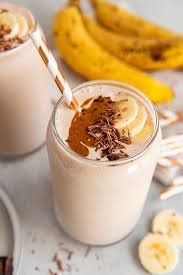
Chocolate-flavored smoothies are not only delicious but also effective for muscle recovery due to their combination of protein and carbohydrates. Cocoa powder adds antioxidants, while bananas provide natural sugars and potassium for muscle repair. Add milk or a plant-based alternative for protein, and a scoop of protein powder to enhance muscle synthesis. Blend 1 banana, 1 scoop of protein powder, 1 tablespoon of cocoa powder, and 250 ml of milk for a smoothie ideal for post-workout recovery and replenishing glycogen stores.
Oat and Berry Muscle-Building Smoothie
Oats provide complex carbohydrates that release energy slowly, keeping athletes fueled during long training sessions. Combined with berries for antioxidants and Greek yogurt for protein, this smoothie supports endurance and muscle repair. Blend ½ cup of oats, 1 cup of mixed berries, ½ cup of Greek yogurt, 1 tablespoon of flaxseeds, and 250 ml of milk or water. This smoothie is excellent for breakfast, pre-workout fuel, or a midday snack to maintain steady energy levels.
Avocado and Spinach Protein Smoothie
Avocado offers healthy fats, fiber, and potassium, while spinach adds iron and antioxidants to enhance energy metabolism. Protein powder or Greek yogurt ensures muscle repair and growth. Blend ½ avocado, 1 cup of spinach, 1 scoop of protein powder, and 250 ml of almond milk for a creamy and nutrient-dense smoothie. This smoothie is ideal for athletes who require sustained energy for strength training or endurance activities.
Tropical Protein Smoothie With Pineapple and Mango
This tropical smoothie combines protein, healthy carbohydrates, and natural sugars for energy and recovery. Pineapple contains bromelain, which helps reduce inflammation and supports muscle recovery. Mango adds natural sweetness, fiber, and vitamin C for immunity and energy. Blend ½ cup pineapple, ½ cup mango, 1 scoop protein powder, and 200 ml coconut water for a refreshing pre- or post-workout drink. This smoothie keeps athletes hydrated and energized while enhancing recovery.
Functional Additives to Boost Smoothie Benefits
Adding functional ingredients to smoothies can improve performance, recovery, and overall health. Chia seeds and flaxseeds provide omega-3 fatty acids and fiber for heart and gut health. Spirulina and wheatgrass boost antioxidants, iron, and chlorophyll for energy and detoxification. Turmeric and ginger provide anti-inflammatory properties, reducing muscle soreness. Using small amounts of these additives enhances the nutritional profile of smoothies without affecting taste or digestion.
Tips for Making the Perfect Athletic Smoothie
When preparing smoothies for athletes, it is important to balance macronutrients, ensure adequate protein, and include natural energy sources. Use whole fruits and vegetables rather than juices to retain fiber. Adjust liquid content to achieve desired consistency and avoid excessive sugar. Pre-measure ingredients for convenience and consider freezing fruits or vegetables for quick preparation. Smoothies should complement whole meals, not replace them entirely, ensuring complete nutrition throughout the day.
Hydration and Smoothie Benefits
Smoothies contribute to hydration, especially when prepared with coconut water, almond milk, or plain water. Adequate hydration supports energy metabolism, digestion, nutrient transport, and muscle function. Combining hydrating liquids with fruits and vegetables maximizes fluid and nutrient intake, enhancing performance, recovery, and overall energy levels for athletes and fitness enthusiasts.
Smoothies for Specific Athletic Goals
Smoothies can be tailored to meet different fitness goals. For muscle building, include higher protein and moderate carbohydrates. For endurance, focus on complex carbohydrates, electrolytes, and antioxidants. For weight management, use lower-calorie fruits and vegetables while maintaining adequate protein. Customizing smoothies based on individual goals ensures that they support training, recovery, and overall health effectively.
Common Mistakes to Avoid in Athletic Smoothies
Some athletes make mistakes such as adding excessive sugar, skipping protein, or relying solely on smoothies for nutrition. Smoothies should be balanced with protein, healthy fats, and complex carbohydrates to prevent energy crashes. Avoid using sweetened syrups, flavored yogurts, or processed powders that add unnecessary calories. Whole foods, functional ingredients, and moderate portions ensure that smoothies provide sustained energy and nutritional benefits.
Long-Term Benefits of Healthy Smoothies
Consuming healthy smoothies regularly enhances nutrient intake, supports muscle recovery, improves endurance, maintains energy levels, and promotes overall health. Smoothies provide antioxidants, fiber, vitamins, minerals, and hydration that reduce inflammation, boost immunity, and support long-term fitness goals. For athletes and fitness enthusiasts, smoothies are a convenient, flexible, and enjoyable way to meet daily nutritional requirements while staying energized and active.
Final Thoughts on Top Healthy Smoothie Recipes for Athletes and Fitness Enthusiasts
Healthy smoothies are more than just convenient drinks—they are a strategic way to fuel the body, enhance performance, and support recovery. By combining fruits, vegetables, protein sources, healthy fats, and functional ingredients, athletes and fitness enthusiasts can enjoy smoothies that deliver energy, hydration, antioxidants, and essential nutrients. Whether consumed pre-workout, post-workout, or as a midday snack, smoothies provide long-lasting benefits for endurance, strength, focus, and overall wellness. Incorporating these top healthy smoothie recipes into daily routines ensures that athletes stay active, energized, and ready to perform at their best all day.